
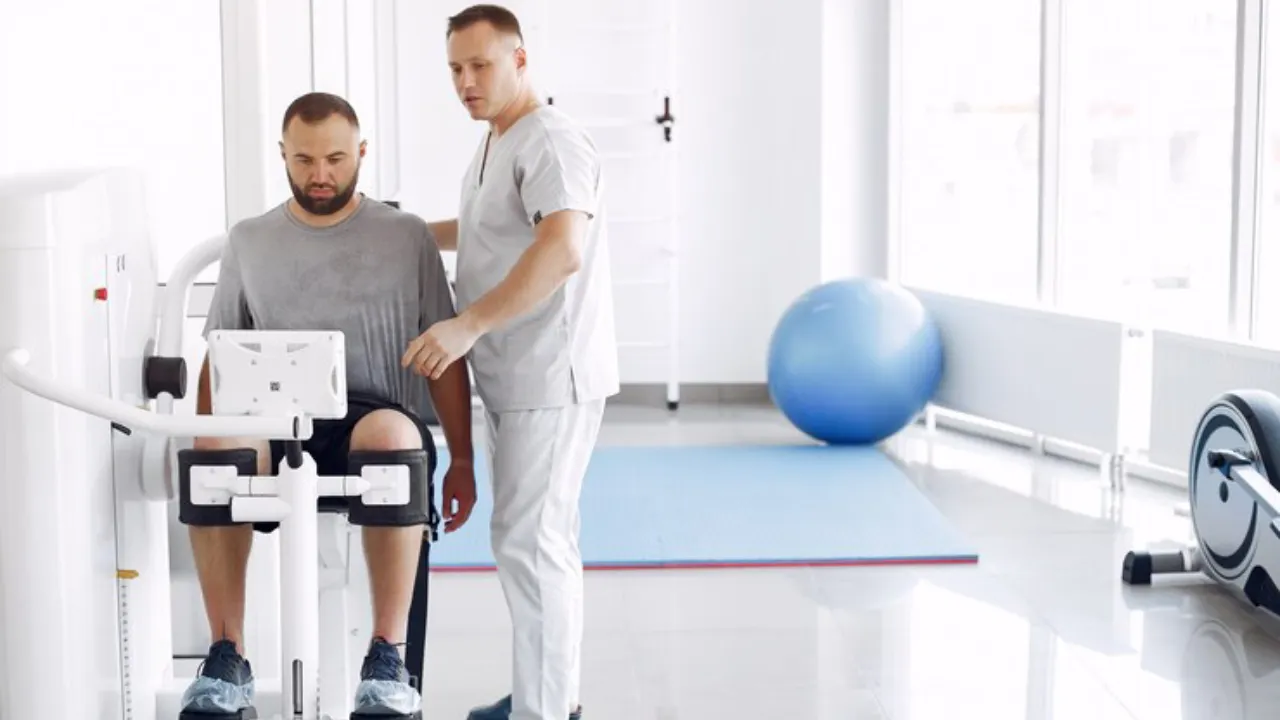
Maintaining Physical Health Through Regular Movement
Maintaining an active lifestyle plays an important role in supporting physical health and everyday well-being. Whether you enjoy walking, cycling, playing sports, exercising at the gym, or participating in household activities, regular movement helps keep your body functioning properly. However, muscle weakness, joint stiffness, injuries, and age-related physical changes can sometimes make daily activities challenging.
For individuals and families in North York, maintaining physical fitness requires attention to mobility, strength, flexibility, and overall body function. Modern healthcare increasingly recognizes the importance of movement, injury prevention, and rehabilitation in supporting an active lifestyle.
This is where physiotherapy becomes an important part of physical healthcare. It focuses on identifying movement limitations, addressing physical difficulties, and helping individuals work towards improved mobility through appropriate exercises and rehabilitation programmes.
At Be Your Best Physio and Rehab, individuals can explore care options for different physical concerns and activity requirements. Whether you are recovering from an injury, experiencing joint stiffness, or looking to maintain your physical capabilities, professional assessment can help establish an appropriate plan for your needs.
What Makes Physiotherapy Important in Modern Healthcare?
Modern healthcare focuses not only on addressing existing physical concerns but also on maintaining mobility, supporting recovery, and encouraging healthy movement habits.
Physiotherapy is an important part of this approach because it focuses on the connection between muscles, joints, posture, balance, and physical function. Practitioners assess movement difficulties, identify limitations, and recommend suitable exercises and rehabilitation activities.
Rather than examining only one area of discomfort, physical assessments consider how different parts of the body work together.
For example, someone experiencing knee stiffness may have difficulty climbing stairs, walking for extended periods, or participating in recreational activities. A suitable exercise programme may include strengthening activities, mobility exercises, and movement education to address these challenges.
By making physical function a priority, physiotherapy can support individuals as they work towards maintaining mobility and participating in everyday activities.
Why Physical Rehabilitation Matters for an Active Lifestyle
An active lifestyle involves more than regular exercise. It also requires adequate muscle strength, joint mobility, flexibility, coordination, and balance.
Here are five important ways physical rehabilitation can contribute to everyday physical activity.
1. Supporting Muscle Strength and Joint Mobility
Muscles and joints work together to make everyday movements possible. Walking, bending, lifting, reaching, and climbing stairs all require different muscle groups and joints to function together.
Muscle weakness and restricted joint movement can make these activities difficult. Strengthening exercises and mobility activities can help address these limitations.
A rehabilitation programme may include:
- Resistance and strengthening exercises.
- Controlled movement activities.
- Stretching exercises.
- Functional movement training.
- Joint mobility activities.
These exercises can help individuals develop the physical capacity required for everyday tasks and recreational activities.
Maintaining muscle strength and joint mobility is also important as physical requirements change with age and lifestyle.
2. Supporting Recovery Following Physical Injuries
Sports activities, workplace accidents, falls, and everyday movements can sometimes result in muscle strains, ligament injuries, and joint problems.
Recovering from an injury often involves gradually rebuilding strength, flexibility, coordination, and confidence in movement.
Physiotherapy can form an important part of the rehabilitation process by addressing physical limitations and introducing a structured recovery programme.
For instance, someone recovering from an ankle injury may require exercises that focus on ankle mobility, calf strength, balance, and walking patterns.
The recovery process depends on the injury type, its severity, and the individual's overall health. Appropriate rehabilitation activities can help individuals work towards returning to their regular routines.
3. Encouraging Healthy Posture and Movement Patterns
Daily habits can influence posture and body movement. Spending extended periods sitting at a desk, using mobile devices, driving, or performing repetitive tasks may contribute to muscular tension and restricted movement.
Postural assessments and movement education can help individuals identify habits that may contribute to physical difficulties.
Exercises focusing on core strength, flexibility, and muscular coordination can support improved body positioning.
For office workers in North York, these practices can be particularly relevant because maintaining comfortable posture throughout a busy working day can be challenging.
Simple adjustments, regular movement breaks, and appropriate exercises can contribute to healthier daily movement habits.
4. Developing Flexibility and Balance
Flexibility and balance are important for people of different ages and activity levels.
Flexible muscles allow the body to move through different ranges of motion, while balance helps maintain stability during standing, walking, and other activities.
Reduced flexibility may make bending, reaching, and turning more difficult. Balance limitations can also affect confidence during everyday movements.
A rehabilitation programme may include:
- Gentle stretching exercises.
- Controlled weight-shifting activities.
- Coordination exercises.
- Balance training.
- Functional movement practice.
These activities can help individuals develop body awareness and improve their ability to complete daily tasks.
For older adults, maintaining balance and coordination is particularly important when navigating stairs, walking outdoors, and completing household activities.
5. Addressing Recurring Physical Discomfort
Recurring discomfort in the back, neck, shoulders, knees, and other body areas can interfere with daily routines. It may affect sleep, workplace activities, exercise participation, and recreational interests.
A physical assessment can help identify movement restrictions, muscular weaknesses, and other factors associated with these concerns.
Depending on the assessment findings, a practitioner may recommend therapeutic exercises, mobility activities, manual techniques, or movement education.
The objective is to address relevant physical limitations while helping individuals develop habits that support everyday movement.
The Role of Physical Rehabilitation at Different Stages of Life
Physical requirements change throughout life. Children, working adults, athletes, and older adults may encounter different movement-related challenges.
Children and Teenagers
Growing bodies undergo continuous physical changes. Children and teenagers who participate in sports may experience injuries, muscle strains, or movement difficulties.
Appropriate physical assessments and age-appropriate rehabilitation activities can help address these concerns while supporting participation in sports and recreational activities.
Working Adults
Working adults may spend several hours sitting, standing, lifting, or performing repetitive tasks. These routines can contribute to muscular tension, stiffness, and movement restrictions.
Exercise programmes, movement assessments, and ergonomic education can help address physical concerns associated with workplace activities.
Athletes and Active Individuals
Athletes place different physical demands on their bodies depending on their chosen sports. Running, swimming, cycling, weight training, and team sports all involve specific movement patterns.
Rehabilitation and conditioning activities can help athletes address muscular weaknesses, develop movement control, and prepare for the physical demands of their activities.
Older Adults
Age-related changes can influence muscle strength, flexibility, coordination, and balance.
Older adults may benefit from exercises focusing on walking ability, joint mobility, functional strength, and balance. These activities can support participation in household tasks and community activities.
How Physiotherapy Can Contribute to Injury Prevention
Physical injuries can occur during sports, exercise, work, and everyday activities. Although not every injury can be prevented, certain physical habits may help reduce avoidable risks.
Injury prevention involves identifying physical limitations and addressing movement patterns that may place additional stress on the body.
A practitioner may assess:
- Muscle strength and flexibility.
- Joint mobility and movement range.
- Balance and coordination.
- Posture during everyday activities.
- Movement patterns during exercise.
- Physical demands associated with work and recreation.
Based on these findings, individuals may receive exercise recommendations that address their physical requirements.
For example, a runner may benefit from exercises focusing on hip strength, calf conditioning, ankle mobility, and running mechanics. Someone who regularly lifts heavy objects at work may require education about lifting methods and exercises that support trunk and leg strength.
Regular physical activity, appropriate preparation before exercise, gradual increases in training intensity, and sufficient recovery time can also contribute to safer participation in physical activities.
Building Healthy Movement Habits Through Everyday Activities
Maintaining physical activity does not always require an intensive workout routine. Small and consistent changes throughout the day can contribute to an active lifestyle.
Here are some practical habits to incorporate into your daily routine:
1. Take Regular Movement Breaks
Individuals who sit for extended periods can benefit from standing, walking, and changing positions throughout the day.
2. Include Strength Exercises
Activities that strengthen major muscle groups can support everyday movements such as lifting, carrying, and climbing stairs.
3. Maintain Flexibility
Gentle stretching and mobility exercises can help maintain comfortable movement ranges.
4. Stay Physically Active
Walking, cycling, swimming, and other recreational activities can help individuals maintain regular movement.
5. Pay Attention to Body Signals
Persistent discomfort, unusual weakness, or restricted movement should not be ignored. Seeking an appropriate physical assessment can help identify possible causes.
6. Increase Activity Gradually
Sudden increases in exercise intensity or duration may place additional demands on muscles and joints. Gradual progression allows the body to adapt to changing activity levels.
These simple habits can become part of a regular routine and contribute to maintaining physical function.
Choosing a Physiotherapy Clinic in North York
When looking for physiotherapy services in North York, individuals should consider a clinic that takes time to assess their physical concerns, activity requirements, and health goals.
An appropriate care process generally begins with an initial consultation and physical assessment. The practitioner reviews relevant health history, discusses current concerns, and evaluates movement, strength, flexibility, and joint function.
Depending on the assessment findings, a care plan may include:
- Therapeutic exercises for strength and mobility.
- Stretching activities for flexibility.
- Balance and coordination exercises.
- Manual therapy when clinically appropriate.
- Postural and movement education.
- Home exercise recommendations.
- Progress reviews and programme adjustments.
Communication is also important throughout the process. Individuals should have opportunities to discuss their concerns, ask questions, and understand the purpose of recommended activities.
Be Your Best Physio and Rehab serves as a point of contact for individuals in North York who want to explore available rehabilitation services and discuss their physical health concerns.
Frequently Asked Questions
1. What is physiotherapy commonly used for?
It is commonly used to address movement difficulties, muscle weakness, joint stiffness, physical injuries, balance concerns, and limitations affecting everyday activities. It may also form part of rehabilitation following surgery or certain medical conditions.
2. Who can benefit from physiotherapy?
People of different ages and activity levels may benefit. Athletes, working adults, older individuals, and people recovering from injuries may require support with mobility, strength, flexibility, or physical function.
3. How often should someone attend physiotherapy?
Appointment frequency depends on the individual's condition, physical assessment, recovery progress, and care plan. A practitioner can discuss an appropriate schedule based on these factors.
4. Can physiotherapy help reduce the risk of sports injuries?
Physical assessments, strengthening exercises, flexibility activities, balance training, and movement education can help address certain injury risk factors. However, no programme can guarantee that sports injuries will not occur.
5. How can I find physiotherapy services in North York?
Individuals can research local clinics, review available services, check practitioner qualifications, and discuss their physical concerns before beginning care. Be Your Best Physio and Rehab is a clinic to contact when exploring rehabilitation services in North York.
Take the Next Step
Maintaining an active lifestyle involves caring for your muscles, joints, flexibility, balance, and overall movement. Whether you are recovering from an injury, managing recurring physical discomfort, or looking to maintain your ability to participate in everyday activities, appropriate physical care can play an important role in your daily routine.
Be Your Best Physio and Rehab is a clinic to contact when exploring rehabilitation care in North York. The clinic can help you enquire about available services, discuss your movement concerns, and learn about suitable care options.
Contact Be Your Best Physio and Rehab today to enquire about available appointments and take a positive step towards maintaining an active lifestyle.
Phone: +1 647-344-1400
Address: 2965 Islington Ave. #10, North York, ON M9L 2K8, Canada
