
Recognizing Persistent Muscle Pain and When Shockwave Therapy May Be Worth Considering
Persistent muscle pain can gradually interfere with your daily activities, making simple movements such as walking, climbing stairs, sitting for extended periods, exercising, or completing household chores uncomfortable. While occasional muscle soreness may develop after physical activity or a demanding workday, discomfort that continues for weeks or repeatedly returns may indicate an underlying musculoskeletal problem that needs attention.
Muscle tightness, tenderness, stiffness, and restricted movement can develop for several reasons, including repetitive movements, sports injuries, prolonged sitting, physical strain, and overuse. When these symptoms do not settle with basic self-care, exploring different physiotherapy approaches may help address the affected tissues and support improved movement.
One approach used in physiotherapy clinics is Shockwave Therapy, which involves applying acoustic pressure waves to specific areas of the body. This technique is commonly considered for certain tendon and soft-tissue conditions, including persistent discomfort around the shoulders, hips, knees, and heels.
For individuals living in North York, recognizing the signs of persistent muscle pain can help determine when a physiotherapy assessment may be appropriate. At Be Your Best Physio and Rehab, patients can discuss their symptoms, movement limitations, and suitable physiotherapy options based on their individual needs.
What Is Shockwave Therapy?
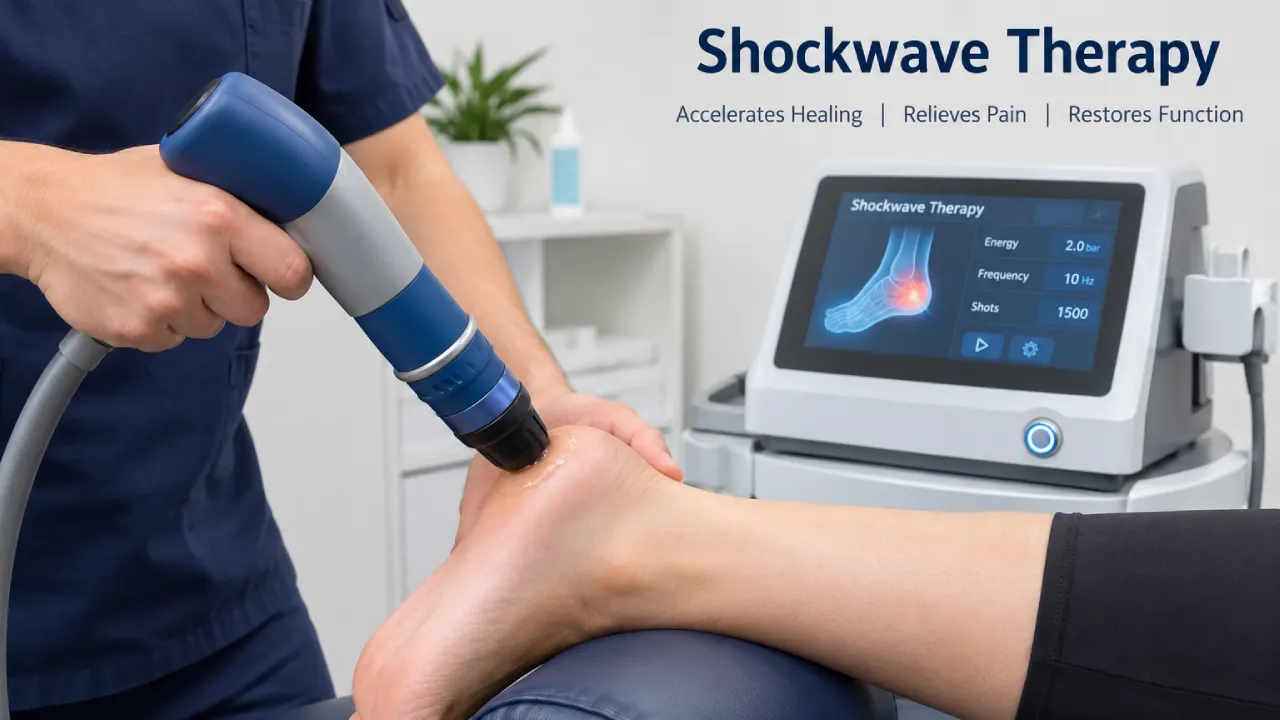
Shockwave Therapy is a noninvasive physiotherapy technique that uses acoustic pressure waves delivered through a handheld applicator. A physiotherapist places the applicator against the skin over the affected area, directing controlled waves towards the targeted tissues.
These acoustic waves create mechanical stimulation within the treated area. Depending on the condition, this stimulation may encourage local biological responses associated with tissue repair and circulation.
The technique is commonly considered for certain persistent tendon and soft-tissue conditions, such as
- Plantar fasciitis
- Achilles tendinopathy
- Tennis elbow
- Golfer's elbow
- Patellar tendinopathy
- Greater trochanteric pain syndrome
- Certain chronic muscle and tendon problems
The treatment process varies depending on the location of the symptoms, the underlying condition, and the patient's response. It may form one part of a physiotherapy program that also includes therapeutic exercises, movement training, and activity modifications.
Not every type of muscle pain requires this approach. A proper assessment helps determine whether it is appropriate for a particular condition.
6 Signs You May Need Shockwave Therapy for Persistent Muscle Pain
Persistent muscle discomfort can present in different ways. Some symptoms develop gradually, while others become noticeable after repetitive physical activity or an injury. The following six signs may indicate that it is time to discuss additional physiotherapy options.
1. Muscle Pain That Continues for Several Weeks
Occasional muscle soreness following exercise or physical work is common. However, discomfort that continues for several weeks, repeatedly returns, or does not respond to basic self-care deserves attention.
Persistent pain may be associated with tendon irritation, repetitive strain, chronic soft-tissue problems, or an underlying musculoskeletal condition.
For example, someone who spends several hours standing at work may develop recurring discomfort around the calves, knees, or hips. Similarly, individuals who participate in running or recreational sports may notice persistent soreness around frequently used muscle groups.
When symptoms continue despite activity adjustments and appropriate rest, a physiotherapist can assess the affected area and identify possible contributing factors.
This Therapy may be considered when an assessment identifies a suitable chronic tendon or soft-tissue condition. The objective is to provide controlled mechanical stimulation to the affected tissues as part of an appropriate rehabilitation program.
2. Stiffness That Makes Everyday Movements Difficult
Muscle stiffness can make ordinary activities feel physically demanding. You may notice difficulty bending, stretching, standing up after sitting, or moving comfortably after waking up in the morning.
Stiffness around the hips, thighs, calves, or shoulders may develop because of repetitive loading, reduced mobility, tendon problems, or prolonged periods in one position.
Consider someone who works at a desk throughout the day. After sitting for several hours, getting up and walking may produce noticeable tightness around the hips or lower body. Another person may experience stiffness after completing physically demanding work.
When stiffness occurs regularly or limits your movement, a physiotherapy assessment can help identify the underlying issue.
Depending on the findings, Shockwave Therapy may be considered for certain persistent soft-tissue conditions. It is generally combined with exercises and movement strategies that address strength, flexibility, and physical function.
3. Tenderness When Pressure Is Applied to a Specific Area
Another sign to watch for is tenderness that develops when you press on a particular muscle, tendon, or surrounding area.
You might notice discomfort when touching the outside of your hip, pressing around your heel, or applying pressure near your knee. This tenderness may become more noticeable during physical activity or after spending time in one position.
Localized tenderness can occur with tendon irritation, soft-tissue strain, and other musculoskeletal conditions. However, tenderness alone does not identify the underlying cause.
A physiotherapist can examine the affected area, assess movement patterns, and determine whether the symptoms are associated with a tendon or another structure.
For appropriate conditions, Shockwave Therapy may form part of the rehabilitation process. The number of sessions and intensity depend on the clinical assessment, the affected tissue, and individual tolerance.
4. Pain That Returns During Physical Activity
Do you notice muscle discomfort every time you return to exercise, walking, running, or sports?
Recurring symptoms during physical activity may suggest that the affected tissues are not tolerating the current level of physical demand.
For instance, a runner may notice discomfort around the knee after increasing running distance. Someone who enjoys cycling may develop recurring hip discomfort, while a person who regularly lifts weights may experience persistent tenderness around the shoulders or elbows.
Repeatedly experiencing symptoms during the same activity is a reason to review your movement patterns and exercise routine.
A physiotherapist can assess muscle strength, joint movement, flexibility, and activity levels to identify possible contributing factors.
When a suitable tendon condition is identified, This Therapy may be considered alongside progressive strengthening exercises and activity adjustments.
Returning to physical activity should be gradual. Increasing exercise intensity too quickly may aggravate symptoms, particularly when the underlying condition has not been addressed.
5. Limited Movement Around the Knees, Hips, or Shoulders
Restricted movement is another sign that persistent muscle or tendon problems may require professional attention.
You might find it difficult to bend your knee fully, rotate your hip, raise your arm overhead, or squat comfortably. These limitations can affect both physical activities and ordinary household responsibilities.
For example:
- Knee stiffness may make climbing stairs uncomfortable.
- Hip discomfort may interfere with walking or getting into a vehicle.
- Shoulder restrictions may make dressing or reaching overhead difficult.
- Calf tightness may affect walking speed and distance.
Movement limitations can have several causes, including muscle weakness, joint problems, tendon conditions, and previous injuries.
A physiotherapist can assess the affected joint and surrounding structures to determine what may be contributing to the restriction.
For selected tendon-related conditions, Shockwave Therapy may be included in a rehabilitation plan alongside mobility exercises and progressive strengthening.
The aim is to address the underlying condition while helping patients work towards improved movement during daily activities.
6. Symptoms That Interfere with Sleep and Daily Comfort
Persistent musculoskeletal discomfort can sometimes affect sleep and make it difficult to maintain a comfortable position.
For example, individuals with hip-related tendon problems may experience discomfort when lying on the affected side. Someone with shoulder pain may struggle to sleep comfortably or change positions during the night.
During the day, the same symptoms may interfere with sitting, standing, walking, driving, or completing household tasks.
When discomfort repeatedly affects sleep or everyday function, it is worth discussing the symptoms with a healthcare professional.
A physiotherapist can assess the affected tissues, identify possible causes, and discuss appropriate care options.
In certain chronic tendon conditions, Shockwave Therapy may be considered as one part of a rehabilitation program. Other components may include strengthening exercises, movement adjustments, and advice on managing physical activity.
If pain is sudden, severe, associated with significant swelling, or follows a major injury, seek medical assessment rather than assuming that a physiotherapy technique is appropriate.
How Shockwave Therapy May Help with Knee and Hip Discomfort
The knees and hips play important roles in everyday movement. They help support body weight, maintain balance, and allow activities such as walking, climbing stairs, standing, bending, and exercising.
However, repetitive physical activity, sports participation, injuries, and age-related changes can contribute to discomfort around these areas.
Certain tendon conditions affecting the knees and hips may respond to physiotherapy approaches that include acoustic pressure wave treatment.
Shockwave Therapy for Knee Discomfort
Knee discomfort may develop because of several conditions, including patellar tendinopathy, which affects the tendon connecting the kneecap to the shinbone.
This condition is sometimes associated with repetitive jumping, running, sudden increases in exercise intensity, or activities involving repeated knee bending.
Common symptoms may include:
- Tenderness below the kneecap.
- Discomfort when jumping or running.
- Pain during squats or lunges.
- Stiffness after physical activity.
- Difficulty managing repeated stair climbing.
Following an assessment, a physiotherapist may consider Shockwave Therapy for suitable cases of persistent patellar tendinopathy.
The acoustic waves provide mechanical stimulation to the affected tendon. This may support biological processes associated with tissue repair.
Treatment may also be combined with progressive quadriceps strengthening, load management, and exercises that address lower-body movement patterns.
It is important to remember that not all knee conditions respond to the same approach. Arthritis, meniscus injuries, ligament problems, and other joint conditions require separate clinical consideration.
Shockwave Therapy for Hip Discomfort
Hip discomfort can affect walking, sitting, standing, and sleeping. One possible cause is greater trochanteric pain syndrome, which involves structures around the outer part of the hip.
This condition may involve irritation of the gluteal tendons and surrounding tissues.
People experiencing this problem may notice:
- Tenderness around the outside of the hip.
- Discomfort when lying on one side.
- Pain during prolonged walking.
- Symptoms when climbing stairs.
- Difficulty standing on one leg.
- Discomfort after sitting for extended periods.
For selected cases involving persistent gluteal tendinopathy, This Therapy may be considered as part of a physiotherapy program.
The acoustic waves are directed towards the affected area to provide mechanical stimulation. The treatment may be combined with progressive hip-strengthening exercises and changes to activities that aggravate the symptoms.
For example, a physiotherapist may recommend adjusting certain movements, modifying exercise intensity, and gradually building strength in the muscles surrounding the hip.
The appropriate approach depends on the diagnosis, symptom severity, and individual response to treatment.
What Happens During a Shockwave Therapy Session?
Knowing what happens during a session can help patients feel more prepared before attending a physiotherapy appointment.
Although the exact process varies between clinics and conditions, a typical appointment may involve the following stages.
1. Initial Assessment
The physiotherapist discusses your symptoms, medical history, previous injuries, and daily activity levels.
They may ask when the discomfort started, what activities aggravate it, and whether you have previously received treatment.
2. Physical Examination
The affected area is examined to assess tenderness, joint movement, muscle strength, and functional limitations.
The physiotherapist determines whether the symptoms are associated with a condition that may respond to acoustic pressure wave treatment.
3. Preparation of the Treatment Area
If the technique is considered appropriate, the affected area is exposed, and a contact gel is applied to help the applicator move smoothly across the skin.
4. Application of Pressure Waves
The physiotherapist places the applicator against the affected area and delivers controlled acoustic waves.
Patients may notice tapping, pressure, or temporary discomfort during the procedure. The intensity can be adjusted according to the affected tissue and individual tolerance.
5. Post-Session Advice
After the appointment, the physiotherapist may discuss activity adjustments, exercise recommendations, and what to expect following the session.
Some temporary tenderness or sensitivity may occur. Patients should follow the instructions provided by their treating physiotherapist.
Factors That May Contribute to Persistent Muscle Pain
Persistent discomfort rarely has only one possible cause. Several factors may contribute to recurring muscle and tendon problems.
Repetitive movements: Performing the same movements repeatedly at work, during sports, or at home may place repeated stress on certain tissues.
Prolonged sitting: Spending several hours in one position may contribute to stiffness and reduced movement throughout the day.
Sudden increases in physical activity: Increasing running distance, lifting heavier weights, or starting an intense exercise routine without gradual progression may overload muscles and tendons.
Insufficient recovery time: Repeated physical activity without adequate recovery may contribute to recurring soreness and tissue irritation.
Muscle weakness: Reduced strength in certain muscle groups may affect how forces are distributed during everyday movement.
Previous injuries: Earlier injuries may influence movement patterns and physical activity tolerance.
Identifying these contributing factors is an important part of physiotherapy assessment. Addressing them can help patients manage physical demands while working towards improved movement.
Why Consider Physiotherapy for Persistent Muscle Pain in North York?
Persistent muscle and tendon discomfort can affect people with different lifestyles, occupations, and activity levels.
Office workers may experience stiffness after prolonged sitting, while construction workers and individuals in physically demanding occupations may develop recurring discomfort from repetitive movements.
Athletes and recreational fitness enthusiasts may also experience tendon-related symptoms from repeated loading during sports and exercise.
Physiotherapy focuses on assessing the affected structures and identifying factors that may contribute to movement limitations.
At Be Your Best Physio and Rehab, individuals in North York can discuss their symptoms and physiotherapy needs with the clinic team.
Depending on the assessment, a rehabilitation program may include:
- Assessment of joint movement and muscle strength.
- Therapeutic exercises for affected muscle groups.
- Mobility and flexibility exercises.
- Activity modification recommendations.
- Manual therapy where appropriate.
- Shockwave Therapy for suitable conditions.
- Progress monitoring and exercise adjustments.
The aim is to address the factors contributing to physical discomfort while helping patients work towards their everyday movement goals.
When Should You Seek a Physiotherapy Assessment?
You do not have to wait until muscle discomfort significantly interferes with your daily activities before seeking professional attention.
Consider arranging an assessment if you notice:
- Muscle or tendon discomfort that continues for several weeks.
- Repeated symptoms during exercise or physical work.
- Stiffness that limits normal joint movement.
- Tenderness in a specific area that does not settle.
- Difficulty walking, climbing stairs, or performing household activities.
- Discomfort that regularly interferes with sleep.
A physiotherapist can assess your symptoms and determine whether physiotherapy, further medical investigation, or another form of care may be appropriate.
Sudden severe pain, an inability to bear weight, major swelling, fever, or symptoms following a significant injury require prompt medical assessment.
Frequently Asked Questions
1. What Conditions Can Shockwave Therapy Help Address?
Shockwave Therapy is commonly considered for certain persistent tendon and soft-tissue conditions, including plantar fasciitis, Achilles tendinopathy, tennis elbow, golfer's elbow, and patellar tendinopathy. A physiotherapist can determine whether it is appropriate for your condition.
2. Is Shockwave Therapy Painful?
Patients may notice tapping sensations, pressure, or temporary discomfort during a session. The intensity can be adjusted according to individual tolerance and the affected area. Some temporary tenderness may occur after treatment.
3. How Many Shockwave Therapy Sessions May Be Needed?
The number of sessions depends on the condition, symptom duration, affected tissue, and response to treatment. Some treatment plans involve several appointments spaced over multiple weeks. Your physiotherapist can discuss an appropriate schedule following an assessment.
4. Can Shockwave Therapy Help with Knee and Hip Discomfort?
It may be considered for certain persistent tendon conditions affecting the knee and hip, including patellar tendinopathy and gluteal tendinopathy. However, it is not suitable for every cause of knee or hip discomfort. An assessment is necessary before starting treatment.
5. Can I Continue Exercising During Shockwave Therapy?
Many patients can continue selected physical activities during their rehabilitation program. However, exercise intensity and activity levels may need adjustment depending on the condition. Your physiotherapist can recommend suitable activities and explain which movements to modify.
Take The Next Step.
Persistent muscle pain should not be ignored, particularly when it starts interfering with walking, exercise, work, sleep, or everyday responsibilities.
Recognizing symptoms such as recurring discomfort, localized tenderness, stiffness, and restricted movement can help you decide when to seek professional assessment.
If you are experiencing ongoing muscle, knee, or hip discomfort in North York, contact Be Your Best Physio and Rehab to discuss your symptoms and arrange a physiotherapy assessment.
The clinic team can evaluate your movement concerns and discuss suitable physiotherapy options, including acoustic pressure wave treatment when clinically appropriate.
Phone: +1 647-344-1400
Address: 2965 Islington Ave. 10, North York, ON M9L 2K8, Canada
