
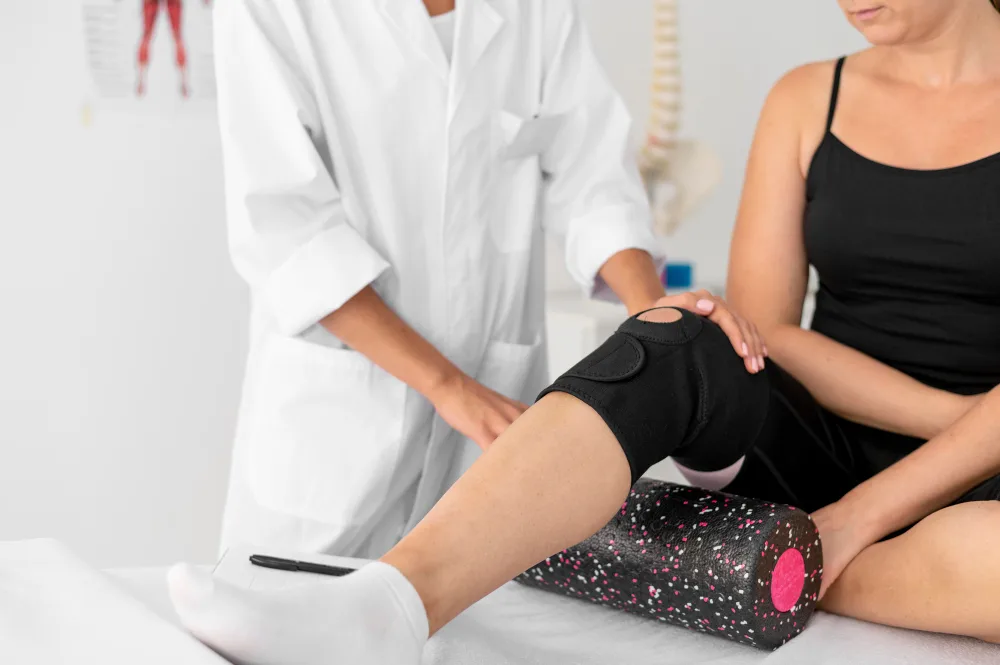
Don't Ignore These Early Knee Warning Signs
You head out for a walk, climb a flight of stairs, or finish a workout, and suddenly your knee doesn't feel quite right. At first, it seems easy to ignore, but repeated discomfort can gradually change how you move. Often, braces become part of managing these issues when the knee no longer feels steady or comfortable. Knowing what causes these problems can help you act before simple daily activities become more challenging.
What Are Braces?
Braces are supportive devices worn around the knee to help manage movement, improve stability, and reduce unnecessary strain on injured or weakened tissues. They come in different styles depending on the condition and the amount of support required.
A physiotherapist may recommend braces during recovery from an injury, after surgery, or while returning to physical activity. The goal is not simply to wear a support but to use it appropriately while addressing the underlying cause.
Depending on your needs, knee braces may help by:
- Supporting unstable joints
- Providing gentle compression around the knee
- Limiting movements that may worsen an injury
- Increasing confidence during walking or exercise
- Assisting recovery while rehabilitation progresses
Why Knee Problems Often Lead to Braces
The knee depends on muscles, ligaments, tendons, cartilage, and bones working together. When one part becomes injured or weak, the joint may become less stable.
Several conditions may result in the temporary use of braces, including:
- Ligament injuries that reduce stability
- Muscle weakness affecting knee control
- Cartilage damage from injury or wear
- Joint swelling after physical activity
- Poor knee alignment during movement
- Sports-related injuries
- Age-related joint changes
- Recovery following surgery
While knee support may help manage symptoms, identifying the underlying issue is equally important.
Why Knee Problems Are Common in North York
Living in North York often means staying on the move. The area is home to more than 680,000 residents, with busy neighborhoods, major shopping centers, recreational facilities, parks, and one of the busiest sections of Highway 401 passing through the community. Daily commuting, walking, recreational sports, and physically demanding jobs can all place repeated stress on the knees.
Healthcare professionals frequently treat knee conditions, which rank among the most common musculoskeletal concerns. In Ontario alone, more than 520,000 people have orthopedic consultations each year, with injuries and arthritis accounting for the largest share of visits. These numbers show just how frequently knee and other joint problems affect everyday life.
In North York, knee strain may develop from the following activities:
- Running or cycling through local parks and trails
- Recreational hockey, basketball, soccer, and fitness classes
- Long periods of standing at work
- Daily stair climbing in apartment and office buildings
- Heavy lifting in physically demanding occupations
- Winter slips on icy sidewalks and parking lots
When you repeat these activities week after week, even minor knee issues can gradually become more noticeable. If instability, swelling, or knee pain continues, an assessment can help determine whether braces, rehabilitation, or another treatment approach is appropriate before the condition begins interfering with daily life.
8 Common Knee Problems That Often Lead to Braces
Ligament Sprains
Ligaments hold the knee together during movement. A sprain may occur after twisting, sudden changes in direction, or awkward landings.
People often notice swelling, difficulty walking, or a feeling that the knee cannot fully support body weight. In these situations, braces may provide additional stability while tissues recover alongside rehabilitation.
Meniscus Injuries
The meniscus acts as a cushion between the thigh bone and shin bone. Twisting while the foot remains planted is a common cause of injury.
Symptoms may include:
- Clicking or catching sensations
- Swelling
- Difficulty bending the knee
- Pain when squatting
Some individuals benefit from knee support during daily activities while following a rehabilitation program.
Runner's Knee
Runner's knee frequently develops from repetitive stress rather than one single injury.
Running, hiking, cycling, or climbing stairs may gradually increase discomfort around the kneecap. Addressing movement patterns and muscle strength often plays a major role, while braces may sometimes be used during activity.
Knee Osteoarthritis
As cartilage gradually wears down, the knee may become stiff and uncomfortable.
People often notice symptoms after long walks, standing for extended periods, or getting up after sitting. Knee braces may sometimes reduce strain on certain parts of the joint while movement and strengthening programs continue.
Patellar Tendon Irritation
Sports involving frequent jumping place repeated stress on the tendon below the kneecap.
Basketball, volleyball, and similar activities commonly trigger symptoms that worsen during jumping or landing. Managing workload and improving strength are often key parts of recovery.
Knee Instability After Injury
Even after swelling decreases, some people continue feeling that the knee may suddenly give way.
This lack of confidence can affect walking, exercise, and returning to recreational activities. Appropriate knee support may help during rehabilitation while balance and strength improve.
ACL Recovery
Recovery after an ACL injury usually involves a structured rehabilitation plan.
During different stages of recovery, some individuals may use braces to provide additional support while gradually returning to sports or higher-level activities under professional supervision.
MCL Injuries
The medial collateral ligament supports the inner side of the knee.
An MCL injury may occur after a direct impact or sudden sideways force. Walking, changing direction, or standing for long periods may become difficult until the ligament recovers.
Signs You May Need Braces
Some symptoms should not be ignored, especially when they continue returning.
- Your knee feels unstable—it may feel like it shifts or moves unexpectedly.
- Walking becomes uncomfortable—Daily activities start feeling more difficult than usual.
- Stairs become challenging—Going up or down creates noticeable knee pain.
- Swelling appears after activity—persistent swelling may indicate ongoing irritation.
- Your knee suddenly gives way—episodes of buckling should be assessed.
- Returning to sport feels difficult—confidence during movement hasn't returned.
- You avoid certain movements—fear of discomfort changes your normal routine.
- Old injuries still bother you—lingering symptoms deserve professional assessment.
These signs do not always mean braces are required, but they often indicate the knee should be examined.
How Physiotherapy Helps Before Depending on Braces
Movement Assessment
A physiotherapist evaluates how you walk, squat, climb stairs, and perform everyday movements to identify the source of the problem.
Strengthening Exercises
Targeted strengthening focuses on muscles supporting the knee, hips, and lower leg to improve joint control.
Mobility Training
Improving flexibility and joint mobility may reduce unnecessary stress placed on the knee during movement.
Balance and Stability Work
Balance exercises help retrain coordination after injury and improve confidence during walking and recreational activities.
Activity Modification
Temporary adjustments to exercise, work tasks, or sports participation may reduce irritation while recovery progresses.
Progress Monitoring
Regular reassessments help determine whether knee braces remain appropriate or whether support can gradually be reduced as function improves.
Common Mistakes People Make With Knee Problems
Many knee conditions become more difficult simply because people delay taking action.
Some common mistakes include:
- Ignoring recurring knee pain
- Waiting months before seeking an assessment
- Purchasing braces without knowing the underlying cause
- Returning to sports before rebuilding strength
- Skipping prescribed exercises
- Assuming symptoms will disappear on their own
Addressing problems early often makes it easier to return to normal activities with greater confidence.
Does Wearing Braces Weaken Your Knee?
A common concern is whether wearing braces for too long can make the muscles around the knee weaker. The short answer is that a properly recommended brace is intended to support the joint during specific activities or stages of recovery, not to replace the muscles that stabilize your knee.
When used as part of a physiotherapy plan, knee braces can help reduce excessive movement, improve confidence during walking or exercise, and protect healing tissues. At the same time, strengthening exercises remain an important part of recovery because they help the muscles around the knee continue doing their job.
Problems can arise when someone wears knee support without knowing why they need it or relies on it for every activity without addressing the underlying condition. This may delay rehabilitation if you do not also improve muscle strength, balance, and movement patterns.
For many people, the goal is to use braces only for as long as they provide a clear purpose. As knee function improves through rehabilitation, your physiotherapist can determine whether the level of support should be adjusted or gradually reduced based on your progress.
FAQs
When should I start using braces?
A physiotherapist can determine whether braces are appropriate after assessing your symptoms, movement, and the underlying condition.
Can physiotherapy help before I need braces?
Yes. Physiotherapy often focuses on improving strength, mobility, balance, and movement patterns, which may reduce the need for additional support in some situations.
Do all knee injuries require a brace?
No. Many knee conditions improve through rehabilitation without requiring external support.
How long should knee braces be worn?
The duration varies depending on the injury, recovery stage, and your physiotherapist's recommendations.
Can I exercise while wearing braces?
Often, yes. The type of activity and the condition being treated determine whether wearing a brace is appropriate.
Should I see a physiotherapist before buying a brace?
Yes. An assessment helps identify the actual cause of your symptoms so you can choose the most suitable approach.
Moving Forward
Recurring knee problems rarely disappear simply by waiting. Whether your symptoms developed after sports, work, or everyday movement, finding the reason behind them is an important first step. If knee pain continues affecting your daily routine, arranging an assessment can help identify whether braces, rehabilitation, or another approach is appropriate.
If you're looking for an assessment in North York, contact Be Your Best Physio and Rehab at 2965 Islington Ave. #10, North York, ON M9L 2K8, Canada. Book an appointment to discuss your symptoms and take the next step toward moving with greater confidence.
