
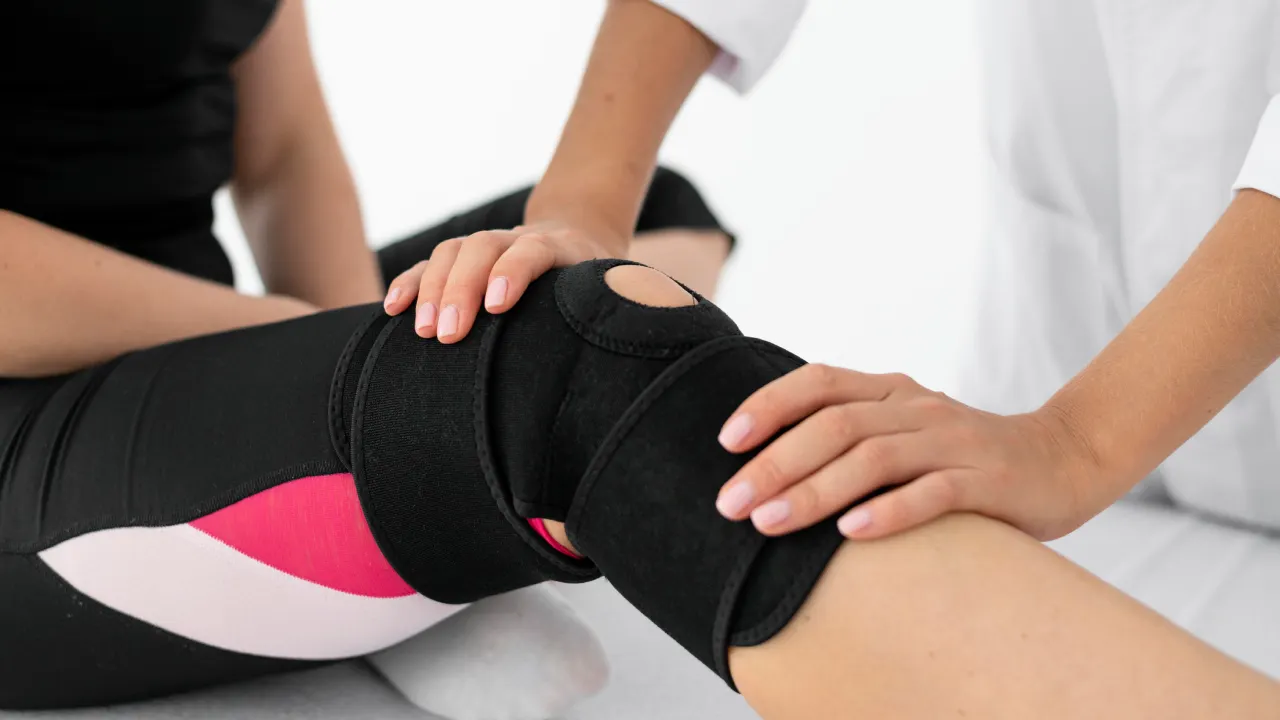
Recognizing When Your Knees Need Extra Support
Knee discomfort can affect even the simplest daily routines. Walking to the mailbox, climbing stairs, standing while cooking, or spending time with family can become frustrating when every movement causes concern. Many people look for practical ways to stay active without placing unnecessary strain on the knee joint.
When you select and use knee braces appropriately, they can help support movement during routine activities. While they are not a replacement for proper assessment or exercise, they may provide added stability for some individuals during daily tasks.
If you live in North York and have noticed that ordinary movements have become more challenging, recognizing the signs early can help you make informed decisions. Below are seven situations where additional knee support may be worth considering.
1. Walking Short Distances Feels Unstable
A steady walking pattern depends on strong muscles, healthy joints, and balanced movement. When your knee feels as though it might give way while walking through your neighborhood, shopping, or moving around your home, extra support may be worth discussing with a physiotherapist.
Knee braces may assist by helping the joint feel more stable during regular walking. They can also encourage confidence while moving, making everyday tasks feel less demanding.
That said, instability should never be ignored. It can be linked to ligament concerns, muscle weakness, or previous injuries that deserve proper evaluation. A physiotherapy assessment can determine the underlying cause and recommend exercises that improve joint control alongside supportive equipment when appropriate.
2. Stairs Have Become More Challenging
Many people notice knee discomfort first while climbing or descending stairs. Every step places additional force through the knee, making existing joint concerns more noticeable.
If you regularly avoid stairs or hold tightly to handrails because your knee feels uncomfortable or unsteady, knee braces may provide additional support during these movements. Combined with strengthening exercises, they may help make stair use feel more manageable.
Simple adjustments, including improving hip strength, increasing flexibility, and correcting movement patterns, often contribute to smoother stair climbing over time.
3. Standing for Daily Tasks Causes Discomfort
Preparing meals, washing dishes, gardening, or waiting in line often requires standing for extended periods. When knee discomfort appears during these everyday activities, it may indicate that the joint is working harder than it should.
Knee braces may help by providing external support while standing, allowing some people to complete household routines with greater confidence.
However, standing discomfort may also result from reduced muscle endurance or joint stiffness. A structured physiotherapy program focusing on strength and mobility can help address these contributing factors while reducing unnecessary stress on the knee.
4. You Feel Less Confident During Everyday Movement
Many people begin changing how they move after experiencing knee discomfort. They may avoid bending, walk more slowly, or hesitate before stepping over curbs or uneven surfaces.
Reduced confidence often leads to decreased physical activity, which may gradually weaken the muscles that support the knee.
In these situations, knee braces may provide reassurance while individuals continue working on strength, balance, and coordination through physiotherapy.
Maintaining regular movement is important because avoiding activity completely may contribute to further stiffness and reduced function.
5. Returning to Routine After a Minor Injury
After a mild sprain, strain, or period of reduced activity, returning to everyday routines can take time. Although discomfort may improve, the knee may still feel uncertain during regular movement.
Knee braces may be considered during this transition while rebuilding muscle strength and restoring normal movement patterns.
Recovery should progress gradually. Increasing activity levels step by step while following a structured rehabilitation program often produces more consistent improvement than rushing back to demanding activities.
6. Uneven Ground Makes You Hesitate
Parks, sidewalks, gravel paths, and driveways all place different demands on the knee. Uneven surfaces require constant adjustments from the muscles surrounding the joint.
If you feel uncertain while walking outdoors, knee braces may provide additional support during these situations.
Outdoor walking remains an excellent form of physical activity for many people. Combining supportive equipment with strengthening exercises and balance training can help improve confidence over time.
If instability continues or worsens, an assessment is important to determine whether other joint structures require attention.
7. Your Knee Feels Tired After Normal Activities
Some people finish a typical day feeling as though their knee has worked much harder than the rest of their body. Even routine errands, light household chores, or walking around the neighborhood may leave the joint feeling fatigued.
When such fatigue happens regularly, knee braces may assist during daily movement by helping reduce unnecessary strain while you address other contributing factors.
Muscle weakness, joint alignment, previous injuries, and reduced flexibility can all influence how the knee responds throughout the day. Identifying these factors allows a physiotherapist to create an exercise plan that supports stronger and more efficient movement.
Should You Wear Knee Braces All Day?
Wearing supportive equipment throughout the day is not always necessary. How long you wear it depends on why you're using it, your daily activities, and the assessment's recommendation.
Some people benefit from wearing a brace only during walks, shopping trips, work duties, or recreational activities that place additional demands on the knee. Others may only require temporary use while recovering from an injury.
Using a brace continuously without addressing muscle strength, flexibility, and movement patterns may limit overall progress. For many individuals, supportive equipment works most effectively when combined with an active rehabilitation program rather than serving as the only approach.
Comfort, proper fit, and regular skin checks are also important. If irritation, swelling, numbness, or increased discomfort develops, the brace should be reassessed.
Are Knee Braces Suitable for Long Hours of Wear?
Long periods of wear may be appropriate for some, but this depends on the type of brace, the condition being managed, and the activities performed.
Supportive braces should fit correctly without restricting circulation or causing pressure points. Wearing an improperly fitted brace for extended periods may create unnecessary discomfort.
Individuals with physically demanding jobs or routines involving prolonged standing should discuss wear time with a physiotherapist. Regular movement breaks, stretching, and strengthening exercises remain important even when using supportive equipment.
Every knee condition is different. A professional assessment helps determine whether extended wear is appropriate and whether adjustments to the brace or rehabilitation plan are needed.
Why Professional Assessment Matters
Not every knee concern has the same cause. Two people with similar discomfort may require entirely different approaches based on their joint condition, muscle strength, movement patterns, activity level, and personal goals.
A physiotherapy assessment examines how the knee moves, how surrounding muscles function, and whether other joints contribute to the problem. This information helps determine whether supportive equipment is appropriate and what additional steps may improve daily function.
Addressing the source of the issue rather than focusing only on symptoms often leads to more consistent progress.
Frequently Asked Questions
1. Can a knee brace replace physiotherapy?
No. A brace may provide support during movement, but physiotherapy focuses on improving strength, flexibility, balance, and joint function to address contributing factors.
2. How do I know if I need a knee brace?
Recurring instability, discomfort during daily activities, or difficulty returning to normal movement after an injury are common reasons to seek an assessment.
3. Can I exercise while wearing a knee brace?
Many people can continue walking or performing selected exercises while wearing a brace, depending on the reason it was prescribed and its design.
4. How should a knee brace fit?
It should feel secure without causing numbness, excessive pressure, or restricting circulation. Proper fitting is important for comfort and function.
5. When should I see a physiotherapist for knee discomfort?
If discomfort persists, affects daily activities, limits mobility, or continues after an injury, scheduling an assessment is a sensible next step.
Take the Next Step
If you're considering knee braces or want to understand why everyday activities have become more difficult, the team at Be Your Best Physio and Rehab in North York can assess your movement, identify contributing factors, and recommend practical strategies that match your daily routine. Book an appointment today and take the first step toward moving with greater confidence.
