Recognizing When Additional Treatment Options May Be Helpful
Physical discomfort can make everyday activities more challenging than they need to be. Whether it is a sports-related issue, repetitive strain from work, or ongoing discomfort that has not responded well to other treatments, many people look for options that support recovery and movement. One treatment that has gained attention in recent years is Shockwave Therapy.
At Be Your Best Physio and Rehab in North York, ON, many individuals explore treatment options that help address stubborn musculoskeletal conditions. Knowing when a particular treatment may be appropriate can help you make informed decisions about your care.
What Is Shockwave Therapy?
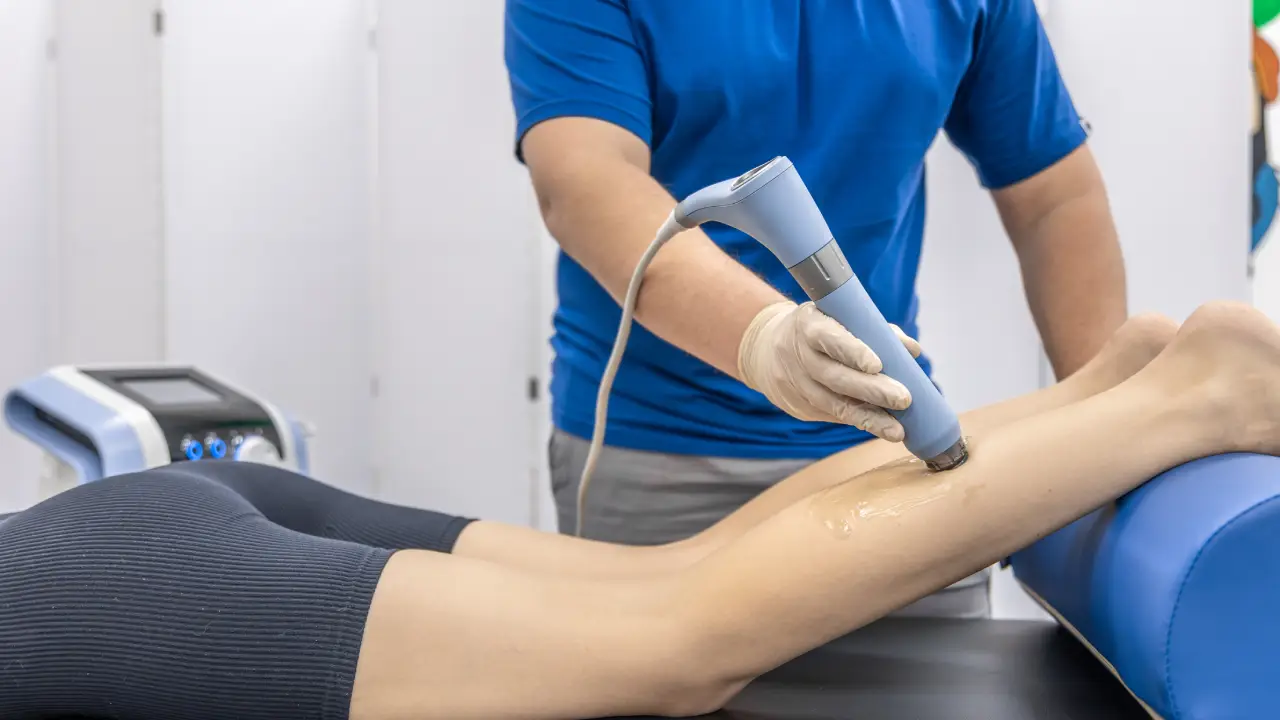
Shockwave Therapy is a non-surgical treatment that uses acoustic waves to target affected tissues. The treatment is commonly used for conditions involving tendons, muscles, ligaments, and other soft tissues. Acoustic waves are delivered via a handheld device that focuses on specific areas of concern.
The goal of Shockwave Therapy is to stimulate natural tissue responses, improve circulation, and support the body’s recovery process. It is often included in a broader physiotherapy program.
If you are wondering whether this treatment may be suitable for your situation, the following signs may indicate it is worth discussing with a physiotherapist.
Sign 1: Your Discomfort Has Lasted for Several Months
Many minor injuries improve with rest, activity modification, and time. However, some conditions linger for months despite efforts to manage them.
If you have experienced persistent discomfort that persists for an extended period, Shockwave Therapy may be an option to explore. Long-standing tendon and soft-tissue conditions often respond differently to acute injuries and may require additional treatment approaches.
Common examples include:
- Plantar fasciitis
- Tennis elbow
- Achilles tendon issues
- Shoulder tendon conditions
- Patellar tendon concerns
When symptoms continue to affect your daily routine, it may be time to consider alternative treatment methods.
Sign 2: Traditional Approaches Have Not Produced the Results You Expected
Many people try several methods before seeking physiotherapy treatment. These may include rest, stretching, ice, heat, braces, or activity modification.
While these approaches can be useful, some conditions become stubborn and resistant to standard care. If your recovery has plateaued, Shockwave Therapy may provide another avenue to address the underlying issue.
A physiotherapist can assess whether your condition falls into a category that may respond well to this treatment.
Sign 3: Morning Stiffness Is Affecting Your Daily Activities
Morning stiffness can be a sign of ongoing tendon or soft tissue irritation. Individuals dealing with conditions such as plantar fasciitis or Achilles tendon concerns often notice discomfort during their first few steps after getting out of bed.
This stiffness may gradually ease as movement increases throughout the day. However, if it continues to return every morning, it could indicate an underlying issue that requires attention.
In many cases, Shockwave Therapy is considered for conditions associated with recurring stiffness and activity-related discomfort.
Sign 4: Physical Activity Continues to Trigger Symptoms
Staying active is important for overall health. However, persistent discomfort can interfere with exercise routines, sports participation, and recreational activities.
You may notice symptoms during:
- Running
- Walking
- Jumping
- Lifting
- Recreational sports
- Fitness classes
If discomfort repeatedly returns during activity despite attempts to modify your routine, Shockwave Therapy may be worth discussing with a physiotherapist.
The treatment is often used alongside strengthening exercises and movement-based rehabilitation plans to support recovery goals.
Sign 5: You Want a Non-Surgical Treatment Option
Many people prefer to investigate non-surgical options before considering more invasive procedures. Depending on the severity of the condition, conservative treatments can play an important role in managing symptoms and improving function.
One reason Shockwave Therapy has become increasingly popular is that it does not require Surgery or lengthy recovery periods associated with surgical interventions.
Treatment sessions are typically performed in a clinical setting and are often incorporated into a larger rehabilitation strategy that may include:
- Exercise programs
- Manual therapy
- Mobility work
- Strength training
- Activity modification strategies
For individuals seeking a non-surgical approach, this treatment may be an option worth exploring.
Sign 6: You Have Been Diagnosed With a Tendon-Related Condition
Tendon conditions can be challenging because they often develop gradually. Repetitive movements, sports participation, workplace demands, and age-related changes may contribute to tendon irritation.
Some conditions frequently associated with Shockwave Therapy include:
- Tennis elbow
- Golfer’s elbow
- Rotator cuff tendon concerns
- Patellar tendon issues
- Achilles tendon conditions
Since tendon-related concerns often involve ongoing tissue changes, treatment plans usually focus on restoring function and supporting tissue adaptation.
A physiotherapist can determine whether this treatment is appropriate for your specific diagnosis.
Sign 7: Daily Tasks Are Becoming More Difficult
One of the clearest signs that treatment may be worth considering is when routine activities become increasingly difficult.
You may notice challenges with:
- Walking longer distances
- Climbing stairs
- Carrying groceries
- Standing for extended periods
- Exercising regularly
- Completing work-related tasks
When discomfort begins to affect your lifestyle and participation in everyday activities, seeking a professional assessment can help identify appropriate treatment options.
For some individuals, Shockwave Therapy becomes part of a plan to improve movement and reduce activity limitations.
What to Expect During Shockwave Therapy Sessions
If a physiotherapist determines that Shockwave Therapy is appropriate for your condition, treatment sessions are generally straightforward.
Initial Assessment
The first step involves a detailed assessment of your symptoms, movement patterns, and medical history. It helps identify the source of the problem and determine whether the treatment is suitable.
Treatment Application
A handheld device delivers acoustic waves to the affected area. The session usually lasts several minutes, depending on the condition being treated.
Ongoing Rehabilitation
Shockwave Therapy often works alongside other physiotherapy treatments. Exercise programs, stretching, Mobility work, and strengthening strategies are commonly included to support overall progress.
Consistency with your rehabilitation plan can play a significant role in achieving desired outcomes.
Why Professional Assessment Matters
Although many conditions may appear similar, the underlying causes can vary significantly from one person to another.
A thorough assessment helps determine:
- The source of your symptoms
- Whether the condition involves muscles, tendons, joints, or ligaments
- Which treatment methods may be appropriate
- Whether Shockwave Therapy should be included in your rehabilitation plan
Receiving a proper diagnosis is an important step before starting any treatment.
FAQs
1. What conditions are commonly treated with Shockwave Therapy?
Shockwave Therapy is often used for plantar fasciitis, tennis elbow, Achilles tendon conditions, shoulder tendon conditions, and other chronic soft-tissue issues.
2. Is Shockwave Therapy painful?
Some people experience mild discomfort during treatment, particularly when the affected area is sensitive. The sensation varies depending on the condition and individual tolerance levels.
3. How many Shockwave Therapy sessions are usually needed?
The number of sessions varies based on the condition, symptom duration, and treatment goals. A physiotherapist can provide recommendations after an assessment.
4. Can Shockwave Therapy be combined with physiotherapy?
Yes. Shockwave Therapy is frequently combined with exercise programs, Mobility training, strengthening exercises, and other physiotherapy techniques.
5. Do I need a referral for Shockwave Therapy?
In many cases, a referral is not required. Contact Be Your Best Physio and Rehab in North York, ON to learn more about booking an assessment.
Visit Be Your Best Physio and Rehab in North York, ON
If persistent discomfort is affecting your ability to stay active, work comfortably, or enjoy daily life, it may be time to explore your options.
At Be Your Best Physio and Rehab in North York, ON, our team provides assessments and rehabilitation programs for a variety of musculoskeletal conditions. If you are interested in learning whether Shockwave Therapy may be appropriate for your situation, contact our clinic today to schedule an evaluation and discuss your treatment options.
