
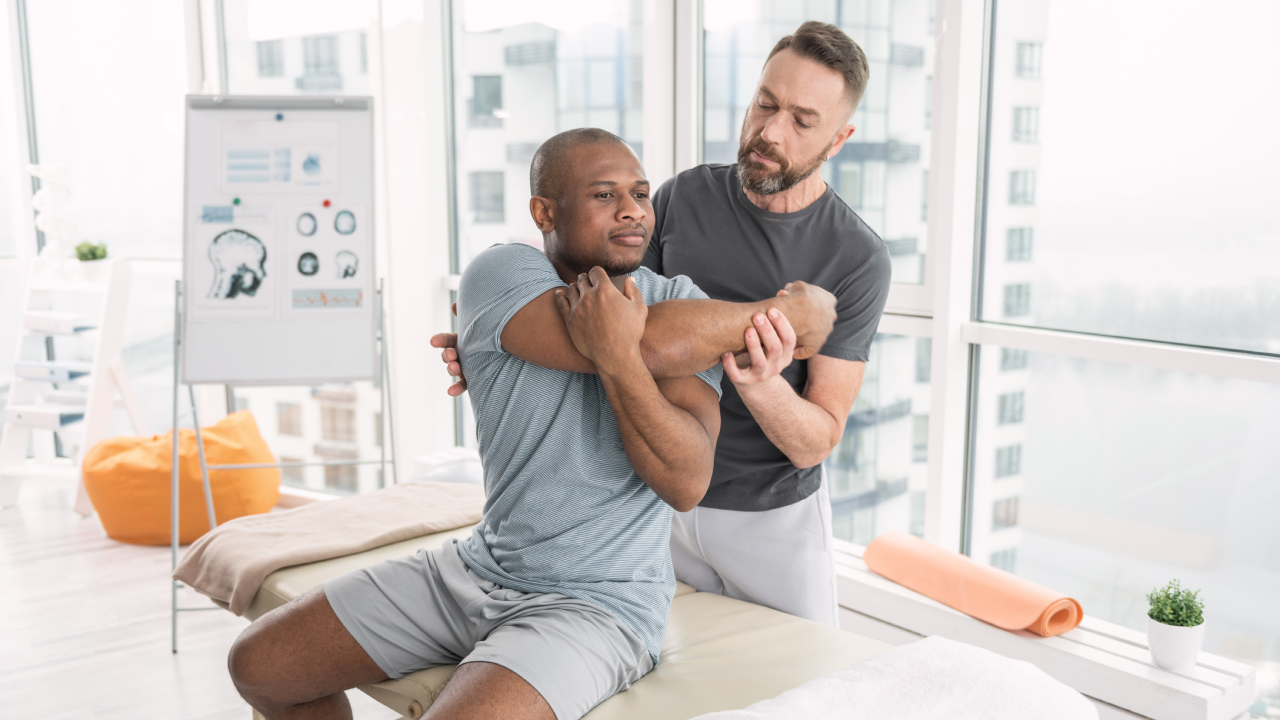
Why Returning to Everyday Activities Requires a Structured Recovery Plan
When movement is limited, simple tasks like walking, climbing stairs, carrying groceries, working, or playing with children can become challenging. A structured recovery process can make those daily activities easier to regain while helping reduce the chance of further setbacks.
Physiotherapy focuses on restoring movement, improving strength, increasing flexibility, and supporting recovery through guided exercises and hands-on care. Instead of simply addressing symptoms, it works to identify the factors contributing to reduced function and movement challenges.
At Be Your Best Physio and Rehab in North York, we create every recovery plan around individual goals, current physical condition, and lifestyle demands. Whether someone is recovering from surgery, dealing with joint discomfort, managing a sports injury, or coping with age-related movement changes, the objective is to help them return to normal routines with confidence.
Recovery is rarely identical for two people. Age, activity level, previous injuries, occupation, and overall health all influence progress. Regular assessment allows treatment plans to change as recovery advances, ensuring that each stage builds safely toward improved mobility.
Another advantage of physiotherapy is education. Understanding proper posture, lifting techniques, body mechanics, and home exercises helps people continue improving between appointments. Small daily changes often contribute significantly to long-term function.
Movement also supports circulation, joint flexibility, muscle activation, and balance. When movement decreases because of discomfort or fear of making an injury worse, muscles weaken and joints become stiffer. A gradual exercise program helps reverse this cycle while encouraging safe progress.
Many people delay treatment, hoping discomfort will disappear on its own. In some situations, waiting may allow stiffness, weakness, or altered movement patterns to become more established. Early assessment often provides a clearer picture of what is happening and what steps may help restore normal movement.
Throughout recovery, physiotherapy sessions typically combine guided exercises, manual techniques, balance training, mobility work, and education. Progress is monitored regularly, allowing exercises to become more challenging as strength and confidence improve.
Returning to daily activities is about more than reducing discomfort. It also involves rebuilding endurance, coordination, stability, and confidence so everyday tasks feel manageable again. Whether the goal is walking longer distances, returning to work, gardening, or participating in recreational activities, consistent rehabilitation supports steady improvement.
Does Physiotherapy Help With Shoulder Pain and Stiffness?
Shoulder problems can affect nearly every aspect of daily life. Limited shoulder movement can make it difficult to reach overhead, dress, drive, lift objects, or sleep comfortably. difficult when shoulder movement is limited.
A thorough assessment can identify whether muscle strain, tendon irritation, joint restrictions, posture, overuse, or post-surgery recovery are the underlying causes of the symptoms. Identifying the contributing factors allows treatment to focus on restoring movement while improving shoulder function.
Physiotherapy may include mobility exercises, strengthening programs, posture correction, manual techniques, and gradual activity progression. These approaches aim to improve shoulder movement while supporting surrounding muscles that contribute to joint stability.
Recovery usually requires patience and consistency. Completing prescribed home exercises and attending scheduled appointments allows gradual improvements that support everyday activities without placing unnecessary stress on the shoulder.
5 Reasons Doctors Recommend Physiotherapy for Mobility Issues
Mobility challenges can develop after injuries, surgery, arthritis, neurological conditions, or long periods of inactivity. Restoring movement safely often requires a structured rehabilitation approach.
1. Improves Joint Movement
Restricted joints can make walking, bending, reaching, or climbing stairs difficult. Physiotherapy includes exercises and movement techniques that encourage improved flexibility and functional motion.
2. Builds Muscle Strength
Weak muscles place additional stress on joints and reduce overall stability. Strengthening key muscle groups helps support everyday movement while making routine activities less demanding.
3. Improves Balance and Coordination
Poor balance increases the likelihood of falls and limits confidence during daily tasks. Balance training improves stability and body awareness across different environments.
4. Supports Recovery After Surgery
Rehabilitation following procedures such as knee replacement, hip replacement, ligament reconstruction, or spinal surgery often follows a progressive plan that restores movement while respecting healing timelines.
5. Encourages Safe Return to Normal Activities
Whether returning to work, sports, household responsibilities, or recreational hobbies, rehabilitation helps rebuild movement patterns gradually while monitoring progress throughout recovery.
How Physiotherapy Fits Into a Safe Recovery Plan
Every recovery journey benefits from a clear structure. Rather than progressing too quickly or remaining inactive for too long, a planned approach allows steady improvement while reducing unnecessary setbacks.
Physiotherapy often begins with a comprehensive assessment of strength, flexibility, balance, mobility, walking patterns, posture, and functional movement. From there, measurable goals are established based on the individual's daily activities and physical requirements.
As progress continues, exercises are adjusted to match improving ability. Early stages may emphasize gentle movement and restoring flexibility, while later stages focus on strength, endurance, coordination, and activity-specific training.
Education also plays an important role. Learning proper movement techniques during work, exercise, and household activities helps reduce excessive strain on joints and muscles.
Home exercise programs encourage continued progress between appointments. Consistency often plays a major role in achieving successful outcomes, especially during longer recovery periods.
Regular reassessment ensures exercises remain appropriate while identifying areas that require additional attention. This ongoing monitoring helps individuals move toward daily independence with greater confidence.
Why Choose Be Your Best Physio and Rehab in North York?
Residents throughout North York trust Be Your Best Physio and Rehab for professional rehabilitation focused on restoring movement and improving function. The clinic works with people recovering from injuries, surgery, sports-related conditions, workplace injuries, joint stiffness, and age-related mobility changes.
Treatment plans are developed according to individual goals, current physical condition, and activity level. Progress is reviewed regularly so rehabilitation continues moving in the right direction at every stage.
7 Facts About Physiotherapy and Chronic Pain Management
Living with chronic pain can affect work, sleep, physical activity, and everyday routines. Unlike short-term pain that often improves as an injury heals, chronic pain may continue for months and sometimes longer. A structured rehabilitation program can play an important role in improving movement and supporting daily function.
1. Chronic Pain Is Different From Acute Pain
Acute pain usually develops after an injury or surgery and gradually decreases as the body heals. Chronic pain lasts much longer and may continue even after tissues have recovered. This is why ongoing assessment and movement-based rehabilitation are often included in long-term management.
2. Physiotherapy Focuses on Improving Movement
Reduced movement often leads to muscle weakness, joint stiffness, and decreased flexibility. Physiotherapy aims to improve mobility through progressive exercises, stretching, and functional movement training that helps people participate more comfortably in everyday activities.
3. Exercise Is an Important Part of Recovery
Many people living with chronic pain become less active because movement feels uncomfortable. Carefully planned exercise programs help improve strength, endurance, balance, and joint mobility while encouraging gradual increases in daily activity levels.
4. Education Supports Long-Term Progress
Understanding posture, lifting techniques, workplace ergonomics, and movement habits can help reduce unnecessary stress on muscles and joints. Learning how to move safely during everyday tasks supports continued progress outside the clinic.
5. Treatment Plans Change as Progress Continues
Recovery is rarely a straight line. As mobility and strength improve, exercises are adjusted to match current ability and recovery goals. Regular reassessments help ensure each stage of rehabilitation remains appropriate.
6. Daily Habits Can Influence Chronic Pain
Long periods of sitting, repetitive movements, poor posture, lack of physical activity, and muscle weakness may contribute to ongoing discomfort. Small lifestyle changes combined with consistent rehabilitation can support improved physical function over time.
7. Early Assessment May Help Prevent Further Limitations
Seeking care when movement becomes difficult may help identify mobility restrictions before they become more significant. Early intervention often allows treatment to begin before stiffness, weakness, or altered movement patterns become harder to address.
Take the First Step Toward Improved Mobility
If chronic pain is affecting your daily routine, Be Your Best Physio and Rehab in North York can help you move with greater confidence. Their team provides thorough assessments and structured rehabilitation plans designed to improve mobility, restore function, and support your return to everyday activities. Contact the clinic today to schedule your appointment and begin your recovery journey.
Frequently Asked Questions
1. What is physiotherapy?
It is a healthcare service that focuses on improving movement, strength, flexibility, balance, and physical function through assessment, exercise, manual techniques, and education.
2. How many sessions might I need?
The number of appointments depends on your condition, recovery goals, overall health, and how consistently home exercises are completed.
3. Can treatment help after surgery?
Yes. Rehabilitation is commonly used after many surgical procedures to restore mobility, improve strength, and support a gradual return to normal activities.
4. Do I need a doctor's referral?
Many people can book an appointment directly, although some insurance providers may request a referral for reimbursement. Checking with your provider beforehand is recommended.
5. What should I expect during my first appointment?
Your first visit usually includes a detailed assessment, discussion of your symptoms and goals, movement testing, and the development of a structured treatment plan based on your current condition.
Take the Next Step
If pain, stiffness, or limited movement is preventing you from enjoying everyday activities, book a physiotherapy assessment with Be Your Best Physio and Rehab in North York. Their team will evaluate your condition, discuss your goals, and create a recovery plan focused on helping you move comfortably and return to the activities that matter most.
