Massage Therapy in North York
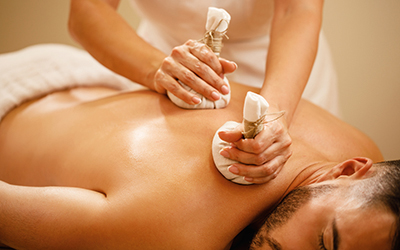
Massage therapy is a revitalizing practice aimed at calming both the body and mind.
read moreMotor Vehicle Accident Injuries in North York can affect your physical health, mobility, and everyday routine. A motor vehicle accident can happen unexpectedly, leaving you with injuries ranging from minor muscle soreness to more serious conditions involving the joints, ligaments, and nerves. Even a minor collision can place significant stress on the body, and while some injuries cause immediate pain, others may take hours or days to become noticeable. Without appropriate assessment and rehabilitation, these problems can sometimes develop into persistent discomfort and movement limitations.
The type and severity of injuries sustained during a motor vehicle accident depend on several factors, including the direction of impact, vehicle speed, seatbelt use, and the body’s position at the time of collision.
Some injuries are relatively minor, while others may require extensive medical treatment and rehabilitation.
Whiplash is one of the most common injuries associated with rear-end collisions. It occurs when the head and neck move suddenly back and forth, placing excessive stress on the muscles, ligaments, and other soft tissues.
Common symptoms include:
Whiplash symptoms may develop immediately or become noticeable over the following hours or days. Physiotherapy can help address movement restrictions, improve neck strength, and gradually restore comfortable mobility.
Soft tissue injuries affect muscles, ligaments, and tendons. During a collision, these structures may become overstretched or damaged because of sudden movements or direct impact.
Common examples include muscle strains, ligament sprains, and bruising.
Symptoms may involve swelling, tenderness, stiffness, and difficulty moving the affected area. Rehabilitation can help restore flexibility, strength, and functional movement through appropriately selected exercises and treatment techniques.
The force generated during a vehicle collision can place considerable stress on the spine. Injuries may affect the muscles, ligaments, joints, or intervertebral discs.
Some individuals experience lower back pain, while others develop discomfort in the upper or middle back. Depending on the injury, symptoms may include radiating pain, tingling, numbness, or muscle weakness.
A proper assessment is important to determine the underlying cause and identify an appropriate treatment approach.
A concussion is a type of mild traumatic brain injury that can occur when the head experiences a sudden impact or rapid acceleration and deceleration.
Possible symptoms include:
Anyone suspected of having a concussion should receive prompt medical assessment. Persistent symptoms may require a coordinated rehabilitation approach, with physiotherapy introduced when medically appropriate.
During an accident, the knees, shoulders, arms, and legs may experience direct impact or sudden twisting forces.
Common injuries include ligament sprains, muscle strains, joint injuries, and fractures. These conditions can interfere with walking, lifting, reaching, and other everyday activities.
Physiotherapy can support recovery by gradually improving joint mobility, muscle strength, coordination, and functional movement once the injury has been medically assessed and is ready for rehabilitation.
Physiotherapy is an important part of the rehabilitation process following a collision. It focuses on identifying physical limitations, managing symptoms, and helping individuals regain the strength and mobility required for everyday activities.
For patients dealing with motor vehicle accident injuries in North York, an individualized rehabilitation program can address specific injuries while considering personal recovery goals and activity requirements.
Pain and inflammation can make even simple movements uncomfortable after an accident.
Physiotherapists may use appropriate treatment techniques to help manage discomfort, including:
Treatment selection depends on the injury, stage of recovery, and individual health requirements.
After an accident, injured muscles and joints may become stiff, making it difficult to turn your head, bend, walk, or raise your arms.
Physiotherapy incorporates controlled movement exercises, stretching, and appropriate joint mobilization techniques to improve flexibility and restore functional mobility.
For example, individuals recovering from whiplash may benefit from carefully progressed neck mobility exercises, while those with shoulder injuries may require specific shoulder movement rehabilitation.
Pain and reduced activity can contribute to muscle weakness following an accident. Weakness may affect posture, balance, joint stability, and the ability to perform routine activities.
A physiotherapist may introduce strengthening exercises targeting the affected muscles and surrounding supporting structures.
These exercises are gradually progressed according to recovery, helping patients rebuild physical capacity without placing unnecessary stress on healing tissues.
Injuries may change the way individuals sit, stand, walk, and perform everyday movements. For example, neck discomfort may cause someone to limit head movement, while lower back pain may affect walking mechanics.
Physiotherapists provide guidance on comfortable posture, body mechanics, and movement strategies that support recovery.
Learning how to perform daily activities safely can also reduce unnecessary strain on injured areas.
Soft tissue injuries often require a combination of mobility exercises, strengthening, and appropriately selected hands-on treatment.
Rehabilitation may include gentle massage techniques, stretching, joint mobilization, and progressive exercise programs.
The objective is to improve movement, restore physical function, and help patients gradually return to their usual activities.
Some accident-related injuries can affect balance, coordination, and movement control.
A physiotherapist may recommend specific exercises to improve stability, body awareness, and coordination when these areas are affected.
This is particularly relevant for individuals recovering from certain head injuries, lower limb injuries, or periods of reduced physical activity.
Seeking appropriate rehabilitation after an accident offers several potential benefits. Treatment should be based on the nature of the injury, individual health requirements, and medical recommendations.
A personalized physiotherapy program provides a clear progression from initial assessment to functional rehabilitation.
Rather than returning immediately to demanding activities, patients can gradually rebuild their physical abilities through appropriate exercises and professional guidance.
Therapeutic exercises and suitable treatment techniques can help improve movement and manage discomfort associated with muscle, joint, and soft tissue injuries.
Accident-related injuries can make ordinary tasks such as driving, working, walking, lifting, and sleeping more difficult.
Physiotherapy focuses on improving the physical abilities needed to perform these activities comfortably and safely.
Inadequately managed injuries may contribute to persistent stiffness, weakness, and reduced mobility.
Appropriate rehabilitation helps address these limitations and supports a gradual return to normal activity.
Physiotherapy emphasizes patient participation through guided exercises, movement education, and practical self-management strategies.
This helps individuals understand their condition and take an active role in their recovery.
Not all accident-related injuries produce immediate symptoms. Some people initially feel relatively comfortable but develop neck stiffness, headaches, back discomfort, or muscle soreness later.
Seeking timely medical assessment can help identify injuries that may otherwise go unnoticed.
Early evaluation also provides an opportunity to understand the severity of the injury and determine whether further investigations or specialist care are necessary.
Once medically appropriate, physiotherapy can help address movement restrictions and develop a rehabilitation plan suited to your condition.
If you have experienced a collision, avoid assuming that the absence of immediate pain means there is no injury. Seek medical advice, especially if new or worsening symptoms develop.
Severe headache, repeated vomiting, confusion, loss of consciousness, chest pain, difficulty breathing, or new neurological symptoms require urgent medical attention.
Understanding the rehabilitation process can make recovery less overwhelming.
Although every patient’s experience is different, physiotherapy after a motor vehicle accident generally involves several stages.
The physiotherapist reviews your injury history, symptoms, medical information, and physical limitations.
An assessment may include evaluating joint mobility, muscle strength, posture, balance, and functional movement, depending on the nature of your injury.
Based on the assessment findings, a treatment plan is developed around your individual needs.
This may include pain management strategies, mobility exercises, strengthening activities, and education about managing symptoms at home.
As your condition improves, exercises and activities can be gradually adjusted to rebuild strength, flexibility, endurance, and coordination.
The pace of progression depends on your response to treatment and the nature of the injury.
The ultimate goal is to help you resume everyday activities as safely and comfortably as possible.
Depending on your condition, this may involve preparing to return to work, driving, exercise, household responsibilities, or recreational activities.
Choosing an appropriate rehabilitation provider is an important part of your recovery journey. Following an accident, patients often need professional guidance that considers their symptoms, physical limitations, and personal recovery goals.
At Be Your Best Physio & Rehab, the focus is on helping individuals improve mobility, manage injury-related discomfort, and rebuild physical function through personalized physiotherapy and rehabilitation.
A patient-focused treatment approach can help address different accident-related conditions while ensuring that exercises and treatment techniques are appropriate for each individual’s needs.
Whether you are experiencing neck stiffness, back pain, soft tissue injuries, or reduced mobility following a collision, professional rehabilitation can help you work towards a more comfortable and active lifestyle.
Recovering from an accident takes time, patience, and the right support. Injuries that initially appear minor can sometimes interfere with everyday activities if symptoms are not properly assessed and managed.
Physiotherapy offers a structured way to improve mobility, rebuild strength, manage discomfort, and work towards restoring normal physical function.
If you are dealing with Motor Vehicle Accident Injuries in North York, Be Your Best Physio & Rehab is here to support your rehabilitation journey with individualized care and treatment planning.
Do not allow accident-related pain and movement limitations to unnecessarily affect your quality of life. Contact Be Your Best Physio & Rehab today to schedule an appointment and take the first step towards recovery, improved mobility, and a healthier future.
Phone: (647) 344-1400
Address: 2965 Islington Ave Unit #10, North York, ON M9L 2K8
Massage therapy is a revitalizing practice aimed at calming both the body and mind.
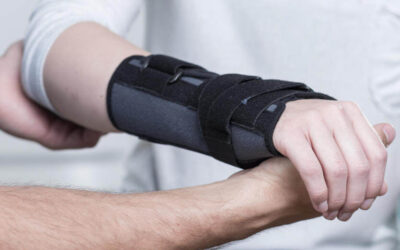
read moreKnee and elbow braces are supportive devices designed to provide stability, alleviate pain, and protect your joints during physical activity or rehabilitation. These braces are commonly worn by individuals who
read moreCustom orthotics are specially designed shoe inserts that are crafted to support and align the feet, improving overall comfort and function. Unlike over-the-counter insoles, custom orthotics are tailored to
read moreCompression stockings are specialized hosiery designed to apply gentle pressure to the legs and feet, helping to improve circulation. Made from elastic materials, these stockings are available in various styles
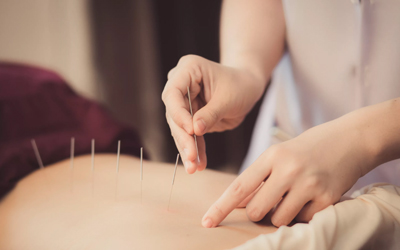
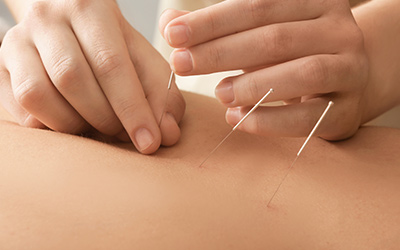
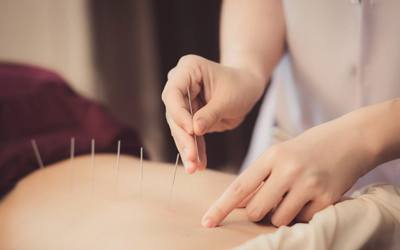
read moreAcupuncture is an ancient form of Traditional Chinese Medicine (TCM) that has been practiced for thousands of years. It involves the insertion of very fine, sterile needles into specific points on the body to
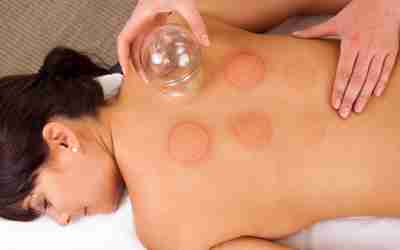
read moreCupping Therapy is an ancient healing practice that involves placing special cups on the skin to create suction. This technique has been used for thousands of years in various cultures, including Traditional
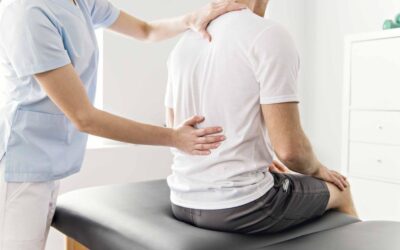
read morePhysiotherapy is a healthcare profession dedicated to improving the quality of life through physical movement. Physiotherapists are trained to assess, diagnose, and treat a wide range of conditions that
read moreDry needling is a modern and effective therapy technique used by trained healthcare professionals to treat muscle pain and stiffness. It involves the insertion of very thin, sterile needles into specific muscle
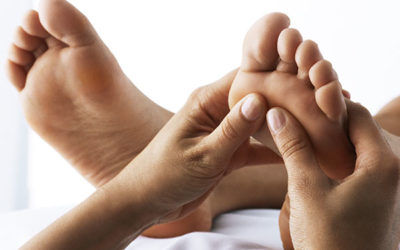
read moreFoot Reflexology is an ancient therapeutic technique that involves the application of pressure to specific points on the feet. These reflex points correspond to various organs, glands, and systems of the body.
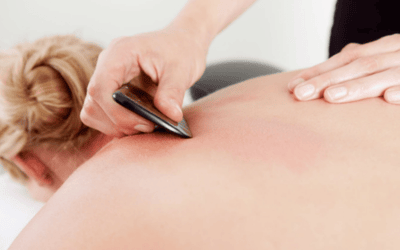
read moreThe Graston Technique (GT) is a form of instrument-assisted soft tissue mobilization (IASTM) designed to treat and manage various musculoskeletal injuries and conditions. This innovative therapy uses specially
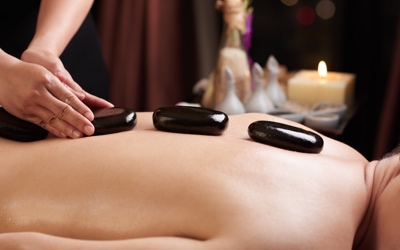
read moreHot Stone Massage is a therapeutic massage technique that uses smooth, heated stones placed on specific parts of your body to promote relaxation, alleviate tension, and ease muscular pain. These stones
read moreIntramuscular Stimulation (IMS) is an advanced therapeutic technique used to treat chronic pain, muscular dysfunction, and various neurological disorders. It involves the use of fine needles that are inserted into
read moreLaser Therapy, also known as Low-Level Laser Therapy (LLLT) or Cold Laser Therapy, is a non-invasive, drug-free treatment method that uses concentrated light energy to promote healing, reduce pain, and
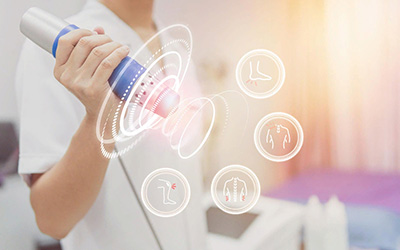
read moreShockwave Therapy, also known as extracorporeal shock wave therapy (ESWT), is a non-invasive treatment that uses acoustic waves to stimulate healing in injured tissues. This therapy is widely
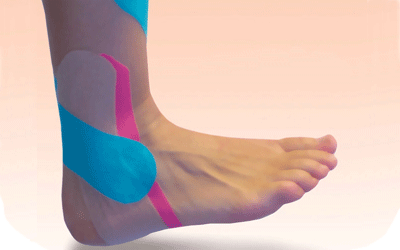
read moreSports/KT Taping applies elastic therapeutic tape to muscles and joints, providing targeted support without restricting movement.
read moreMotor vehicle accidents (MVA) can lead to various injuries, ranging from minor aches and pains to more severe, long-lasting conditions. Whether it's a rear-end collision, side impact, or head-on crash, the force
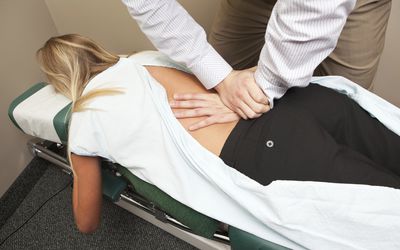
read moreChiropractic care is a holistic healthcare approach that focuses on diagnosing, treating, and preventing mechanical disorders of the musculoskeletal system, particularly the spine. Chiropractors use hands-on
read moreNutrition counselling is a personalized approach to improving your health through diet and lifestyle changes. It involves working with a qualified nutritionist or dietitian who evaluates your dietary habits,
read more