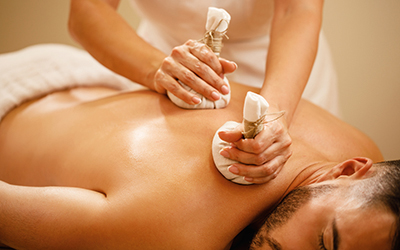
Massage Therapy in North York
Massage therapy is a revitalizing practice aimed at calming both the body and mind.
read moreThe Graston Technique in North York is a specialized physiotherapy treatment that uses specially designed stainless-steel instruments to help manage soft tissue restrictions, muscle tightness, and movement limitations. Also known as instrument-assisted soft tissue mobilization (IASTM), this technique may help individuals experiencing sports injuries, tendon problems, repetitive strain injuries, and other musculoskeletal conditions. It is often incorporated into personalized rehabilitation programs to improve mobility and support recovery.
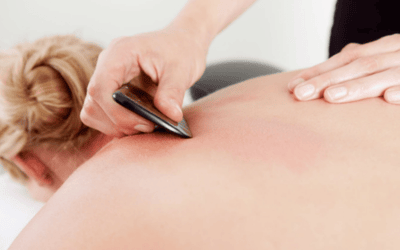
The Graston Technique is a form of instrument-assisted soft tissue mobilization that uses specially designed stainless-steel instruments to assess and treat certain soft tissue restrictions.
During treatment, a trained practitioner gently moves the instrument over selected areas of the body. The technique helps identify areas of tenderness, restricted tissue movement, or increased sensitivity and applies controlled pressure according to the patient’s condition.
The approach was developed by David Graston in the 1990s and has since become a recognized method used within some physiotherapy and rehabilitation practices.
Unlike traditional massage, which primarily uses the hands, this technique uses specialized instruments to provide targeted contact with soft tissues.
Potential treatment goals include:
It is important to understand that the technique does not literally scrape away scar tissue or guarantee tissue repair. Its effectiveness varies depending on the condition, individual response, and overall rehabilitation program.
The treatment involves using specially shaped instruments to apply controlled pressure and movement over specific soft tissue areas.
Before beginning, the physiotherapist assesses the patient’s symptoms, movement limitations, medical history, and treatment goals. This helps determine whether instrument-assisted soft tissue mobilization is appropriate.
The practitioner uses the instrument to examine selected areas of the body. Changes in tissue sensitivity, tenderness, and movement may help identify areas requiring further assessment.
The stainless-steel instrument is moved across the skin using carefully controlled strokes. The pressure and treatment duration depend on the patient’s comfort and the condition being addressed.
The technique aims to influence soft tissue movement and may help reduce discomfort associated with certain musculoskeletal conditions.
After instrument-assisted treatment, patients may perform stretching, strengthening, or mobility exercises.
Combining manual treatment with active rehabilitation can help improve functional movement and support longer-term progress.
When appropriately selected as part of a comprehensive physiotherapy program, instrument-assisted soft tissue mobilization may offer several benefits.
Muscle tightness and soft tissue sensitivity can make routine movements uncomfortable. The controlled pressure used during treatment may help reduce symptoms in some patients.
Restricted soft tissue movement can affect flexibility and joint mobility. This technique may help improve comfortable movement when combined with appropriate stretching and mobility exercises.
Patients recovering from certain sports injuries, repetitive strain conditions, and soft tissue problems may benefit from incorporating instrument-assisted treatment into a broader rehabilitation plan.
The Graston Technique is non-surgical and does not require medication. It can be considered one component of conservative physiotherapy care when clinically appropriate.
Treatment intensity, instrument selection, and targeted areas can be adjusted according to the patient’s symptoms, physical condition, and rehabilitation goals.
However, results are not guaranteed, and the technique is not suitable for every injury or patient.
The Graston Technique in North York may be considered for selected musculoskeletal conditions involving soft tissue discomfort, restricted movement, or tendon-related symptoms.
Here are some common conditions where a physiotherapist may consider this treatment.
Plantar fasciitis causes pain around the bottom of the foot, commonly near the heel. Symptoms are often worse during the first steps in the morning or after prolonged periods of rest.
Instrument-assisted soft tissue mobilization may be used around appropriate soft tissue structures to address tenderness and mobility restrictions.
Treatment is commonly combined with calf stretching, foot strengthening, footwear guidance, and gradual activity modification.
Tennis elbow, medically known as lateral epicondylalgia, causes pain around the outer elbow due to problems involving the wrist extensor tendon.
Repetitive gripping, lifting, and wrist movements can aggravate symptoms.
A physiotherapist may incorporate instrument-assisted treatment alongside progressive tendon-loading exercises to improve strength and functional capacity.
Carpal tunnel syndrome occurs when the median nerve is compressed at the wrist. Common symptoms include numbness, tingling, discomfort, and weakness in parts of the hand.
Soft tissue treatment may be considered for selected surrounding tissue restrictions, but it does not directly resolve nerve compression.
A proper assessment is essential to determine the most appropriate treatment, which may include activity modification, wrist positioning, exercises, or medical referral.
Shin splints, commonly associated with medial tibial stress syndrome, cause pain along the inner edge of the shinbone.
They frequently affect runners and individuals who suddenly increase their exercise intensity.
A rehabilitation program may include appropriate soft tissue treatment, calf strengthening, mobility exercises, and adjustments to training volume.
Knee discomfort can develop from several conditions, including patellar tendinopathy and iliotibial band-related pain.
Instrument-assisted treatment may be considered for selected surrounding soft tissues, depending on the assessment findings.
Strengthening the hip and thigh muscles, improving movement control, and managing training loads are also important parts of rehabilitation.
Muscle tension, repetitive strain, and movement restrictions may contribute to neck and back discomfort.
The Graston Technique may be incorporated into treatment for selected soft tissue-related symptoms, alongside postural education, strengthening, and mobility exercises.
Patients experiencing radiating pain, numbness, or weakness should receive an appropriate clinical assessment before treatment.
Frozen shoulder, also called adhesive capsulitis, causes pain and progressive restriction of shoulder movement.
Physiotherapy generally focuses on managing discomfort and gradually improving shoulder mobility through suitable exercises and joint mobilization.
Instrument-assisted soft tissue treatment may sometimes be considered for surrounding soft tissue restrictions, but it does not break up adhesions inside the shoulder joint capsule.
Athletes may experience muscle strains, tendon-related pain, and repetitive overuse injuries that affect training and performance.
Similarly, some individuals develop soft tissue sensitivity or restricted movement following surgery.
When medically appropriate, instrument-assisted treatment may complement a structured rehabilitation program that includes progressive strengthening, flexibility exercises, and functional training.
If you are considering this treatment, understanding the process can help you feel more comfortable before your first appointment.
Your physiotherapist will discuss your symptoms, medical history, previous injuries, and daily activities.
They may evaluate muscle strength, joint mobility, flexibility, and areas of tenderness to determine whether instrument-assisted treatment is appropriate.
The practitioner applies a suitable amount of pressure using the selected stainless-steel instrument. Some patients experience mild discomfort or temporary redness during or after treatment.
Treatment should remain within an appropriate tolerance level and should not cause excessive pain.
Depending on your condition, your physiotherapist may recommend stretching, strengthening, or mobility exercises following the session.
These exercises help reinforce functional improvements and support your overall recovery.
Your response to treatment is monitored over time. The physiotherapist may adjust the approach based on changes in pain, flexibility, strength, and everyday function.
When performed by a properly trained healthcare professional following an appropriate assessment, instrument-assisted soft tissue mobilization is generally considered a low-risk treatment for suitable patients.
However, temporary redness, tenderness, or bruising can occur.
The technique may not be appropriate for individuals with certain skin conditions, open wounds, active infections, significant bruising, bleeding disorders, or other medical concerns.
It should also be avoided over suspected fractures, acute injuries requiring medical evaluation, and areas where treatment may aggravate an existing condition.
Always inform your physiotherapist about your medical history, medications, and previous surgeries before beginning treatment.
Choosing the right physiotherapy provider is an important step towards improving mobility and managing musculoskeletal discomfort.
At Be Your Best Physio & Rehab, the focus is on understanding individual physical concerns and developing rehabilitation approaches that reflect each patient’s needs.
Whether you are dealing with persistent muscle tightness, tendon-related discomfort, sports injuries, or restricted joint movement, an individualized physiotherapy assessment can help determine suitable treatment options.
The Graston Technique may be incorporated into a broader rehabilitation program when appropriate, alongside therapeutic exercises, movement education, and other physiotherapy techniques.
The goal is to help patients improve physical function, build strength, and return to their everyday activities with greater confidence.
Living with persistent muscle discomfort, soft tissue restrictions, or limited mobility can affect your ability to work, exercise, and enjoy everyday activities.
The Graston Technique in North York offers a non-surgical treatment option that may help address selected soft tissue concerns when combined with an appropriate physiotherapy rehabilitation program.
At Be Your Best Physio & Rehab, patients can explore personalized treatment approaches designed to manage discomfort, improve mobility, and support their recovery goals.
If you are experiencing muscle tightness, tendon-related pain, or movement restrictions, contact Be Your Best Physio & Rehab to arrange a physiotherapy assessment. Take the first step towards better movement, improved physical function, and a healthier, more active lifestyle.
Address: 2965 Islington Ave Unit #10, North York, ON M9L 2K8
Phone: (647) 344-1400
Massage therapy is a revitalizing practice aimed at calming both the body and mind.
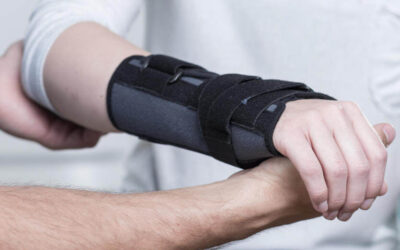
read moreKnee and elbow braces are supportive devices designed to provide stability, alleviate pain, and protect your joints during physical activity or rehabilitation. These braces are commonly worn by individuals who
read moreCustom orthotics are specially designed shoe inserts that are crafted to support and align the feet, improving overall comfort and function. Unlike over-the-counter insoles, custom orthotics are tailored to
read moreCompression stockings are specialized hosiery designed to apply gentle pressure to the legs and feet, helping to improve circulation. Made from elastic materials, these stockings are available in various styles
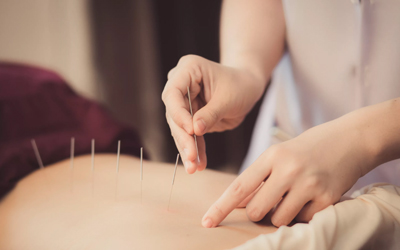
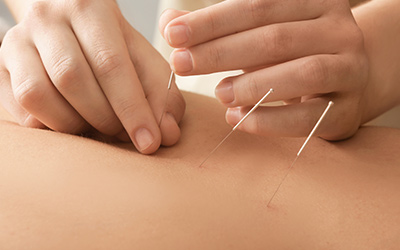
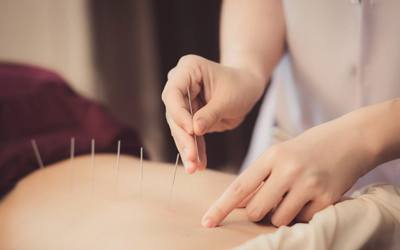
read moreAcupuncture is an ancient form of Traditional Chinese Medicine (TCM) that has been practiced for thousands of years. It involves the insertion of very fine, sterile needles into specific points on the body to
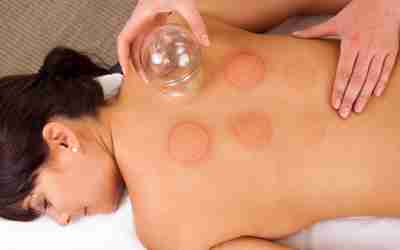
read moreCupping Therapy is an ancient healing practice that involves placing special cups on the skin to create suction. This technique has been used for thousands of years in various cultures, including Traditional
read morePhysiotherapy is a healthcare profession dedicated to improving the quality of life through physical movement. Physiotherapists are trained to assess, diagnose, and treat a wide range of conditions that
read moreDry needling is a modern and effective therapy technique used by trained healthcare professionals to treat muscle pain and stiffness. It involves the insertion of very thin, sterile needles into specific muscle
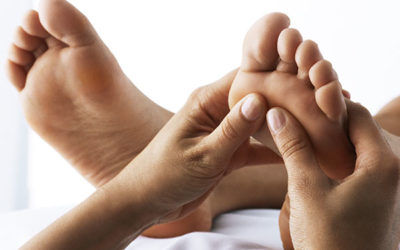
read moreFoot Reflexology is an ancient therapeutic technique that involves the application of pressure to specific points on the feet. These reflex points correspond to various organs, glands, and systems of the body.
read moreThe Graston Technique (GT) is a form of instrument-assisted soft tissue mobilization (IASTM) designed to treat and manage various musculoskeletal injuries and conditions. This innovative therapy uses specially
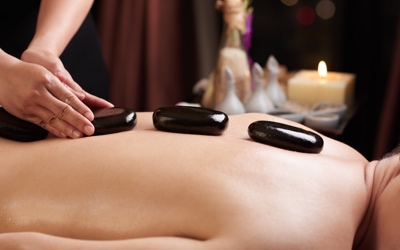
read moreHot Stone Massage is a therapeutic massage technique that uses smooth, heated stones placed on specific parts of your body to promote relaxation, alleviate tension, and ease muscular pain. These stones
read moreIntramuscular Stimulation (IMS) is an advanced therapeutic technique used to treat chronic pain, muscular dysfunction, and various neurological disorders. It involves the use of fine needles that are inserted into
read moreLaser Therapy, also known as Low-Level Laser Therapy (LLLT) or Cold Laser Therapy, is a non-invasive, drug-free treatment method that uses concentrated light energy to promote healing, reduce pain, and
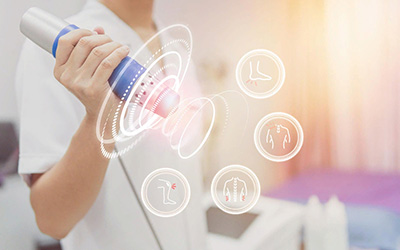
read moreShockwave Therapy, also known as extracorporeal shock wave therapy (ESWT), is a non-invasive treatment that uses acoustic waves to stimulate healing in injured tissues. This therapy is widely
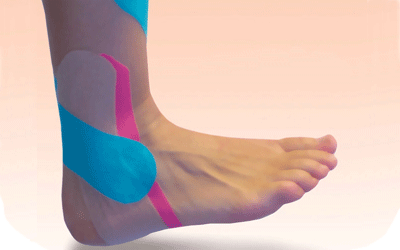
read moreSports/KT Taping applies elastic therapeutic tape to muscles and joints, providing targeted support without restricting movement.
read moreMotor vehicle accidents (MVA) can lead to various injuries, ranging from minor aches and pains to more severe, long-lasting conditions. Whether it's a rear-end collision, side impact, or head-on crash, the force
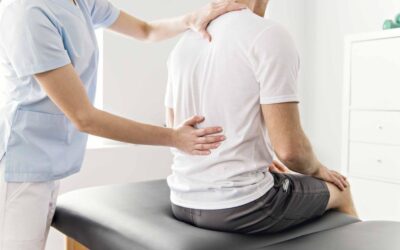
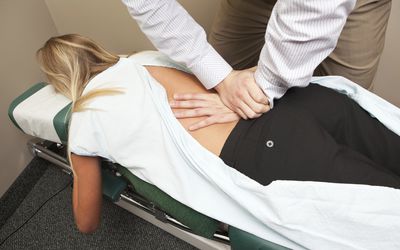
read moreChiropractic care is a holistic healthcare approach that focuses on diagnosing, treating, and preventing mechanical disorders of the musculoskeletal system, particularly the spine. Chiropractors use hands-on
read moreNutrition counselling is a personalized approach to improving your health through diet and lifestyle changes. It involves working with a qualified nutritionist or dietitian who evaluates your dietary habits,
read more