
Why Proper Knee Brace Use Is Relevant for Joint Health and Everyday Movement
Knee discomfort can affect work, exercise, household tasks, and even simple movements such as climbing stairs or getting out of a chair. Many people turn to knee braces hoping to protect the joint or make movement easier. While these products can play an important role in supporting the knee, using them incorrectly may create new challenges instead of helping the situation.
Many people assume that simply putting on a brace is enough. In reality, the type of brace, the fit, the amount of time you wear it, and the reason you use it all matter. A poorly chosen or poorly fitted brace may change the way a person walks, place unnecessary pressure on surrounding muscles, or encourage dependence on external support instead of improving strength and movement patterns.
At Be Your Best Physio and Rehab in North York, physiotherapists assess the source of knee discomfort before recommending any support device. The goal is to help people move with confidence while addressing the factors contributing to their symptoms.
Choosing the Wrong Brace
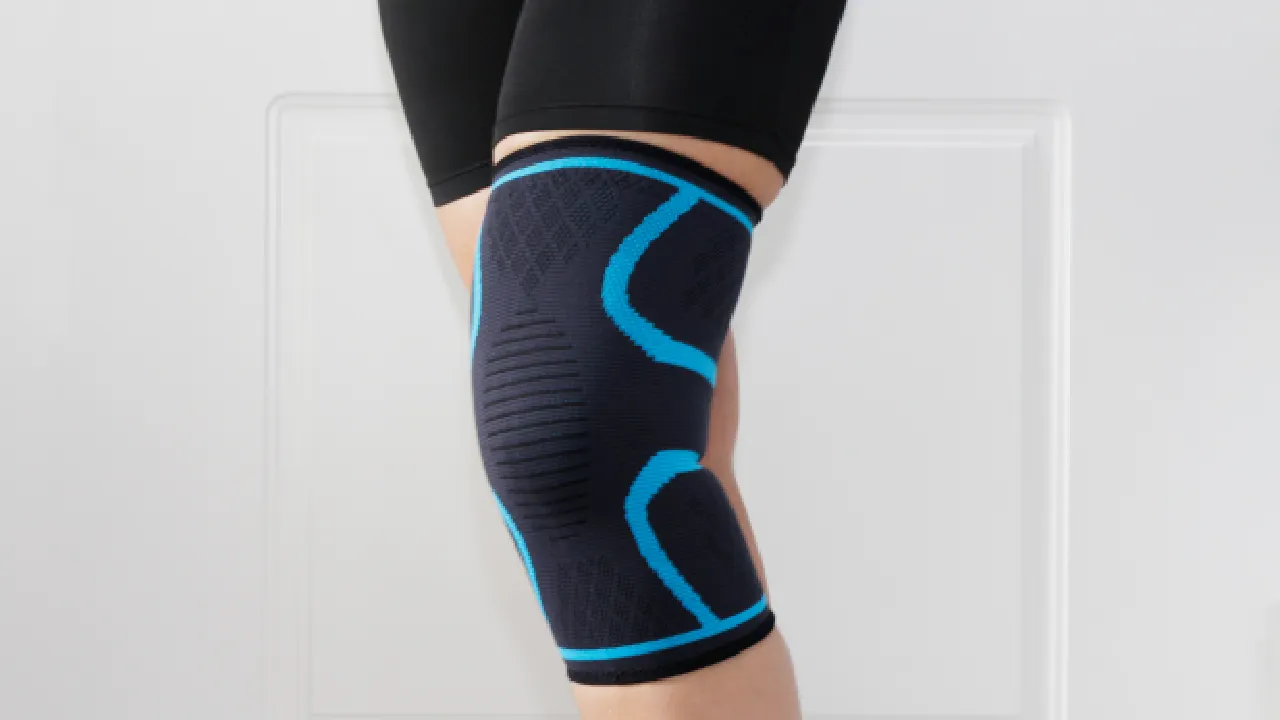
Not every knee condition requires the same type of support. There are sleeves, hinged braces, patella stabilizers, unloading braces, and compression designs, each created for different situations. Selecting the wrong one may fail to address the underlying issue.
Some people purchase knee braces based solely on online reviews or recommendations from friends. However, what works for one individual may not be suitable for another. A runner recovering from a ligament injury has very different needs from someone living with arthritis or recovering after surgery.
Using an unsuitable brace may result in:
- Uneven pressure around the joint
- Restricted natural movement
- Increased discomfort
- Poor walking mechanics
- Reduced confidence during daily tasks
A proper assessment helps determine whether a brace is appropriate and, if so, which style matches the individual's condition and lifestyle.
Wearing a Brace That Does Not Fit Properly
Fit is one of the most important factors in getting value from a knee brace.
A brace that is too tight may reduce comfort, leave marks on the skin, or affect circulation. One that is too loose may slide during movement and fail to provide consistent support.
Poorly fitted knee braces can also shift while walking, causing the knee to move differently than intended. Over time, altered movement patterns may place additional stress on the hips, ankles, or lower back.
Measurements should be taken according to the manufacturer's sizing instructions, and adjustments should be made whenever swelling changes or body weight fluctuates.
Wearing a Brace Longer Than Necessary
Support devices have a purpose, but they should not automatically become part of everyday life forever.
If someone relies on knee braces continuously without guidance, they may not challenge the surrounding muscles as much as they should. Strong muscles play an important role in supporting the knee naturally. When movement becomes overly dependent on external support, progress may slow.
This does not mean braces are harmful. Instead, they should be part of a broader management plan that may include strengthening exercises, mobility work, balance training, and movement education.
A physiotherapist can determine when a brace is useful and when it is appropriate to gradually reduce reliance on it.
Using a Brace for Activities It Was Not Designed For
Different activities place different demands on the knee.
Someone gardening has different movement requirements than someone playing basketball or returning to hiking. Wearing knee braces intended for light support during high-impact sports may not provide adequate stability. Likewise, using a heavy-duty brace for simple daily tasks may unnecessarily limit movement.
Matching the brace to the activity helps maintain comfort while reducing unnecessary restrictions.
Ignoring the Cause of Knee Pain
A brace addresses support, but it does not automatically solve the reason discomfort developed.
Knee symptoms may be influenced by:
- Muscle weakness
- Limited flexibility
- Previous injuries
- Poor movement habits
- Joint wear
- Training errors
- Balance deficits
If these contributing factors remain unchanged, symptoms may continue despite wearing a brace.
Physiotherapy focuses on identifying these influences so treatment addresses more than temporary symptom management.
How Knee Braces Support Stability Without Limiting Everyday Activities
When selected correctly, knee braces can provide valuable support without making ordinary activities feel awkward or restrictive.
Modern designs aim to stabilize the knee while still allowing natural bending during walking, sitting, standing, climbing stairs, and other routine movements. Rather than locking the joint in place, many braces guide movement and help reduce excessive side-to-side motion.
This added stability may help people feel more confident while
- Walking around the neighbourhood
- Shopping
- Household cleaning
- Light exercise
- Gardening
- Travelling
- Returning to work
The key is choosing a brace that matches both the individual's condition and daily routine.
A physiotherapist also evaluates walking mechanics, posture, muscle control, and balance to ensure the brace complements movement rather than replacing muscular function.
Can Knee Braces Reduce Strain During Walking and Standing?
Many people ask whether knee braces make everyday standing and walking easier.
In many situations, they can reduce stress on irritated structures by providing external support and improving joint alignment. Some braces redistribute pressure across the knee, while others assist with patella tracking or ligament stability.
However, results depend on the condition being managed.
For example, someone recovering from a ligament injury may experience different benefits than a person living with osteoarthritis. Standing for long periods at work may require a different type of support than recreational walking.
Because each situation is different, professional assessment remains valuable before deciding which brace is appropriate.
Walking patterns should also be monitored after introducing a brace. Small adjustments in stride length, posture, or footwear may further improve comfort.
Common Mistakes People Make
Several habits frequently reduce the effectiveness of knee braces:
- Guessing the correct size without measuring
- Wearing the brace too loosely
- Tightening straps excessively
- Using a worn-out brace beyond its lifespan
- Skipping exercise while relying only on the brace
- Wearing the brace during activities it was not designed for
- Ignoring persistent swelling or increasing discomfort
Avoiding these mistakes helps improve comfort and encourages healthier movement patterns.
When to Seek Physiotherapy
Persistent knee discomfort deserves attention, particularly when symptoms interfere with work, recreation, or everyday activities.
Assessment may be worthwhile if you notice:
- Swelling that returns frequently
- Knee instability
- Clicking associated with discomfort
- Difficulty climbing stairs
- Pain after walking short distances
- Trouble standing for extended periods
- Reduced confidence during movement
During an assessment, physiotherapists examine joint mobility, muscle strength, balance, flexibility, and movement patterns before discussing suitable management options.
Recommendations may include knee braces, exercise programs, manual therapy, activity modification, or movement retraining depending on the findings.
Supporting Recovery Beyond the Brace
Successful recovery often involves multiple components working together.
Exercise helps improve strength around the hips, thighs, and calves, allowing these muscles to share the workload placed on the knee. Flexibility exercises improve mobility, while balance activities strengthen coordination and control.
Education is equally valuable. Learning how to squat, climb stairs, lift objects, or participate in sports with improved movement mechanics may reduce unnecessary stress on the joint.
Regular progress reviews also allow treatment plans to change as strength and function improve.
Final Thoughts
Used correctly, knee braces can support movement and assist many people during recovery or while managing ongoing knee conditions. Incorrect sizing, poor brace selection, prolonged reliance, or using a brace for the wrong activity may create avoidable problems.
A professional assessment helps determine whether a brace is appropriate and ensures it works alongside strengthening, mobility, and movement training rather than replacing them.
If knee discomfort is limiting your daily routine, speaking with a physiotherapist can help identify the underlying cause and create a practical plan that matches your goals.
FAQs
1. Should I wear a knee brace all day?
In most cases, no. Knee braces are generally intended for use during activities that stress the joint, not continuously throughout the day. The appropriate wearing time depends on your condition and the type of brace, so follow the advice of your healthcare provider.
2. Can a knee brace replace physiotherapy?
No. A brace supports the knee, but physiotherapy addresses strength, flexibility, balance, and movement patterns that contribute to knee symptoms.
3. How do I know if my knee brace fits correctly?
A properly fitted brace should stay in position during movement without pinching, slipping, or leaving significant pressure marks.
4. Can I exercise while wearing a knee brace?
Many people can, provided the brace matches the activity and their condition. A physiotherapist can advise whether it should be worn during specific exercises.
5. When should I seek professional advice about knee pain?
If knee discomfort persists, swelling continues, the joint feels unstable, or daily activities become difficult, arrange an assessment with a physiotherapist to determine the cause and discuss appropriate treatment options.
Take the next step.
If you're looking for guidance on choosing and using knee braces, visit Be Your Best Physio and Rehab in North York. Our physiotherapy team can assess your knee, explain which type of brace suits your condition, and build a treatment plan that supports comfortable movement during work, recreation, and daily life. Book an appointment today to take the next step toward stronger, more confident movement.
