Why Elbow Braces Are Commonly Used in Everyday Life
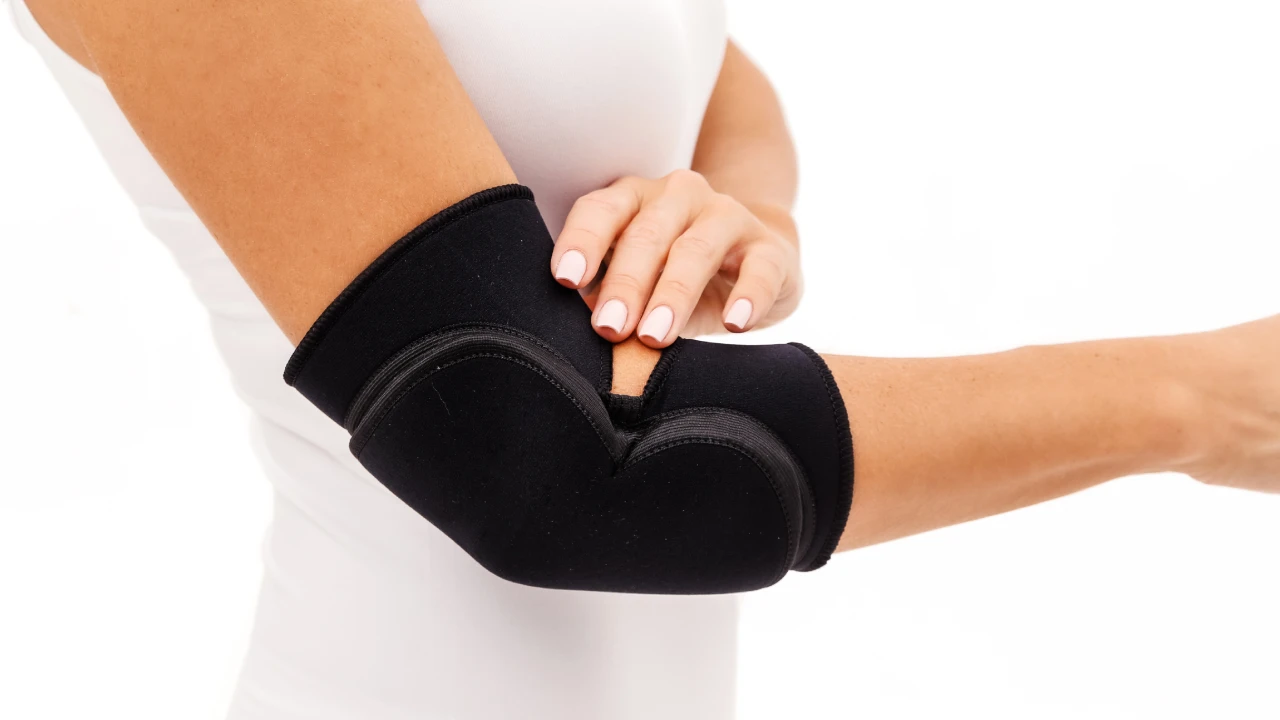
Elbow Braces are commonly used by people who experience discomfort, weakness, or limited elbow joint movement during everyday tasks. Whether lifting groceries, working at a computer, or participating in recreational activities, the elbow plays a central role in many movements. When the joint is strained or irritated, even simple actions can become difficult.
For individuals in North York seeking practical ways to support elbow function while addressing the underlying cause, Elbow Braces are often recommended alongside physiotherapy care. These devices can assist with joint positioning, load management, and movement control, helping people continue daily routines with greater confidence.
Below are ten ways Elbow Braces can support daily activities and how physiotherapy fits into a broader care plan.
How Elbow Braces Support Daily Function
Elbow Braces are designed to provide external support to the elbow joint and surrounding tissues. They may apply compression, limit certain motions, or reduce strain on irritated structures. While they do not replace rehabilitation, they can play a useful role during recovery and activity modification.
Physiotherapists often assess movement patterns, strength, posture, and activity demands before recommending a brace. This ensures the device is appropriate for the individual’s condition and lifestyle.
1. Improved Joint Stability
Elbow Braces can help maintain proper joint alignment during movement. For individuals with ligament strain or joint laxity, this added stability may reduce excessive motion that contributes to discomfort.
A physiotherapist may combine brace use with strengthening exercises for the forearm and upper arm muscles to improve long-term joint control.
2. Reduced Stress on Tendons
Conditions such as lateral epicondylitis (tennis elbow) or medial epicondylitis (golfer’s elbow) involve irritation of the tendons around the elbow. Elbow Braces can help redistribute forces away from the affected area during gripping or lifting tasks.
In the clinic, physiotherapy focuses on load management, gradual strengthening, and activity modification to address the root cause.
3. Support During Repetitive Tasks
Many daily activities involve repeated elbow movements, such as typing, using tools, or cooking. Over time, repetition can lead to overuse symptoms.
Elbow Braces may assist by providing compression and mild restriction, reminding users to avoid excessive strain. A physiotherapist can also assess workstation setup or technique to reduce ongoing stress.
4. Assistance With Lifting and Carrying
Carrying groceries, lifting boxes, or handling equipment can place significant strain on the elbow joint. Elbow Braces can offer added support during these tasks, particularly for individuals returning to activity after injury.
Physiotherapy sessions typically include education on proper lifting mechanics and progressive strengthening to restore functional capacity.
5. Increased Confidence With Movement
When pain or weakness is present, people may hesitate to use the affected arm. Elbow Braces can provide a sense of security, encouraging safe movement.
Physiotherapists work to build strength, range of motion, and coordination so that confidence improves, even without the need for a brace.
6. Compression for Swelling Management
Some Elbow Braces provide gentle compression, which may help manage mild swelling following injury or surgery. This can make daily movement more comfortable.
Physiotherapy care may also include manual therapy, mobility exercises, and guidance on activity pacing.
7. Protection During Light Physical Activity
Individuals who enjoy walking with poles, gardening, or light fitness classes may use Elbow Braces for added support. This can be helpful during the early stages of return to activity.
A physiotherapist can create a graded exercise program to ensure activity levels progress safely.
8. Postural Awareness
Certain braces encourage neutral positioning of the elbow and forearm. This can promote better movement habits during work or household tasks.
Physiotherapy often addresses posture from the neck and shoulder through to the wrist, recognizing that elbow issues are rarely isolated.
9. Temporary Support During Recovery
After an acute strain or flare-up, Elbow Braces may be used for short-term support while tissues settle. This allows individuals to continue essential daily activities with fewer setbacks.
Physiotherapy helps guide when to reduce brace use as strength and movement improve.
10. Complement to Active Rehabilitation
Elbow Braces are most effective when used alongside an active rehabilitation plan. Exercises, education, and gradual loading are central to long-term improvement.
Physiotherapists design programs based on individual assessment findings rather than relying solely on devices.
Common Conditions That May Benefit From Elbow Braces
Elbow Braces are often considered for:
- Tennis elbow and golfer’s elbow
- Ligament sprains
- Tendon irritation
- Post-surgical recovery
- Overuse injuries
- Mild joint instability
A physiotherapist can determine whether a brace is appropriate and what type may be most suitable.
What to Expect During a Physiotherapy Visit
At Be Your Best Physio and Rehab, an initial assessment typically includes:
- Review of medical history and symptoms
- Observation of movement and posture
- Testing of strength, flexibility, and joint mobility
- Discussion of daily activities and work demands
Based on findings, a care plan may include:
- Targeted exercises
- Manual therapy
- Education on activity modification
- Advice on Elbow Braces or other supports
Progress is monitored and adjusted over time.
Using Elbow Braces Safely
While Elbow Braces can be helpful, they should not cause numbness, tingling, or increased discomfort. Proper fit is essential. Wearing a brace continuously without guidance may lead to dependence or reduced muscle activity.
Physiotherapists provide guidance on when and how long to use a brace as part of a broader plan.
Moving Forward
Elbow Braces can support the management of elbow-related challenges during daily activities. When combined with physiotherapy, they contribute to a structured approach focused on movement quality, strength, and functional independence.
For individuals in North York seeking assessment and guidance for elbow concerns, Be Your Best Physio and Rehab offers physiotherapy services to address both symptoms and underlying movement factors.
